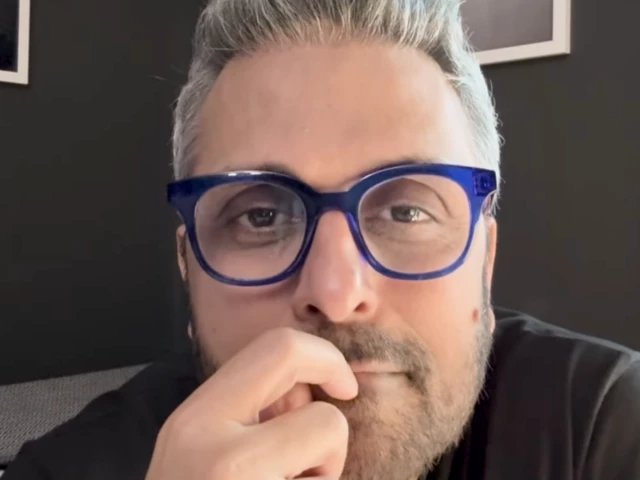
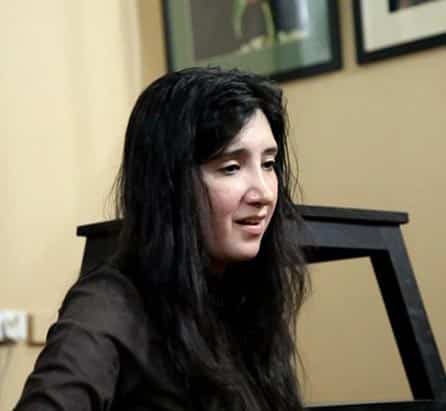
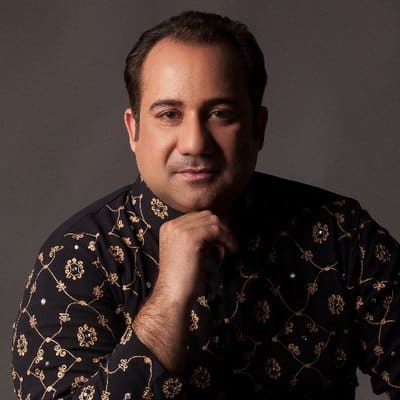
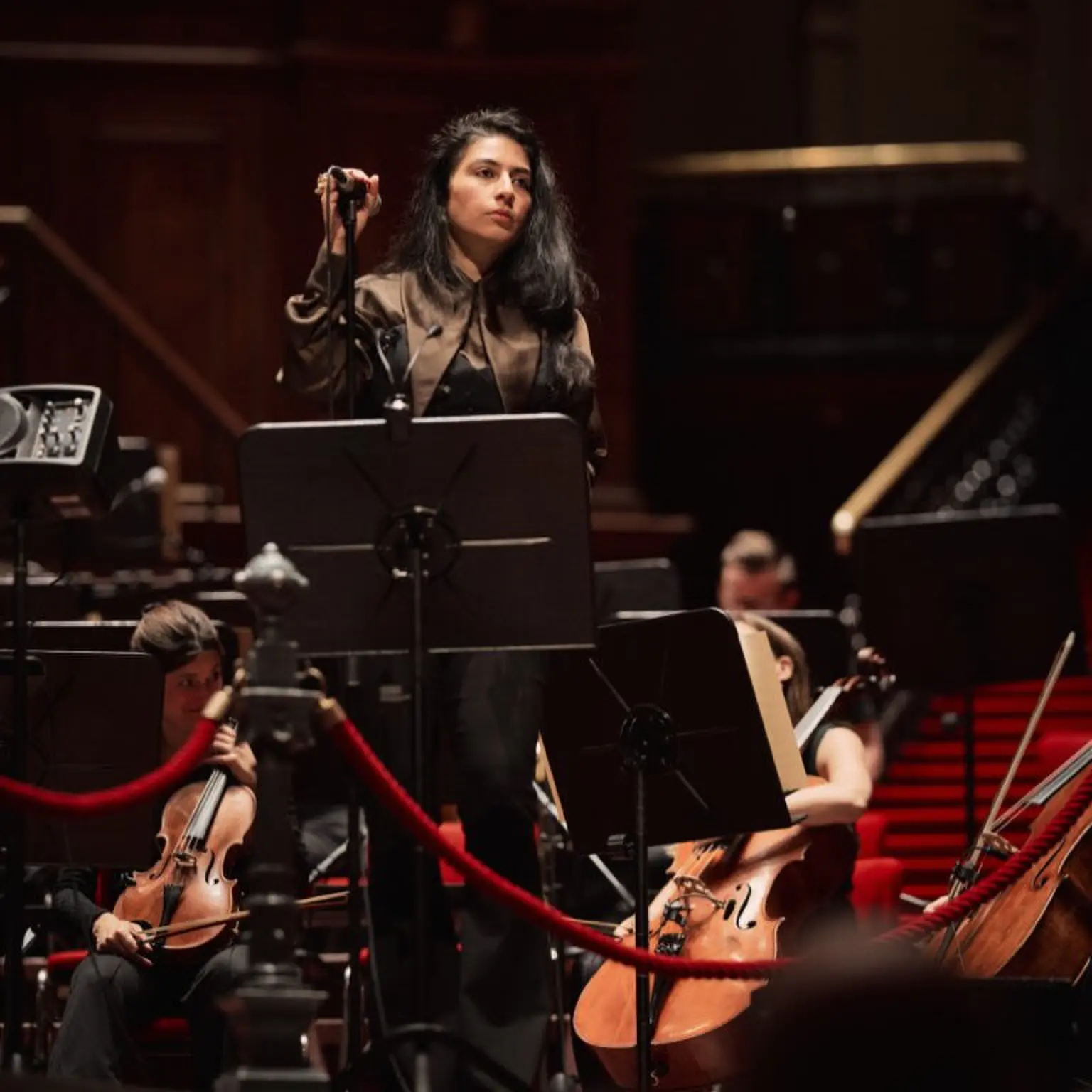
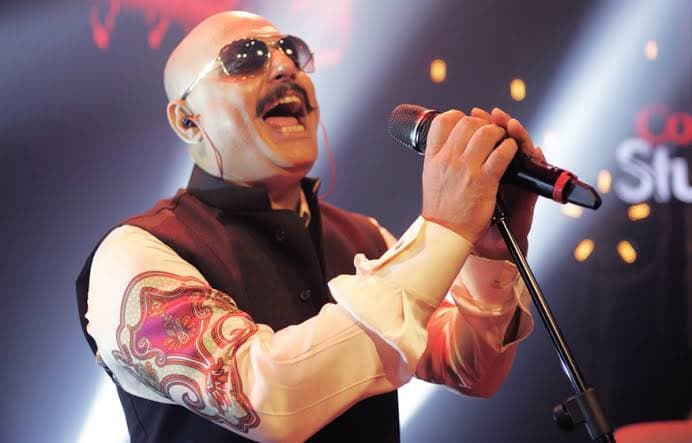
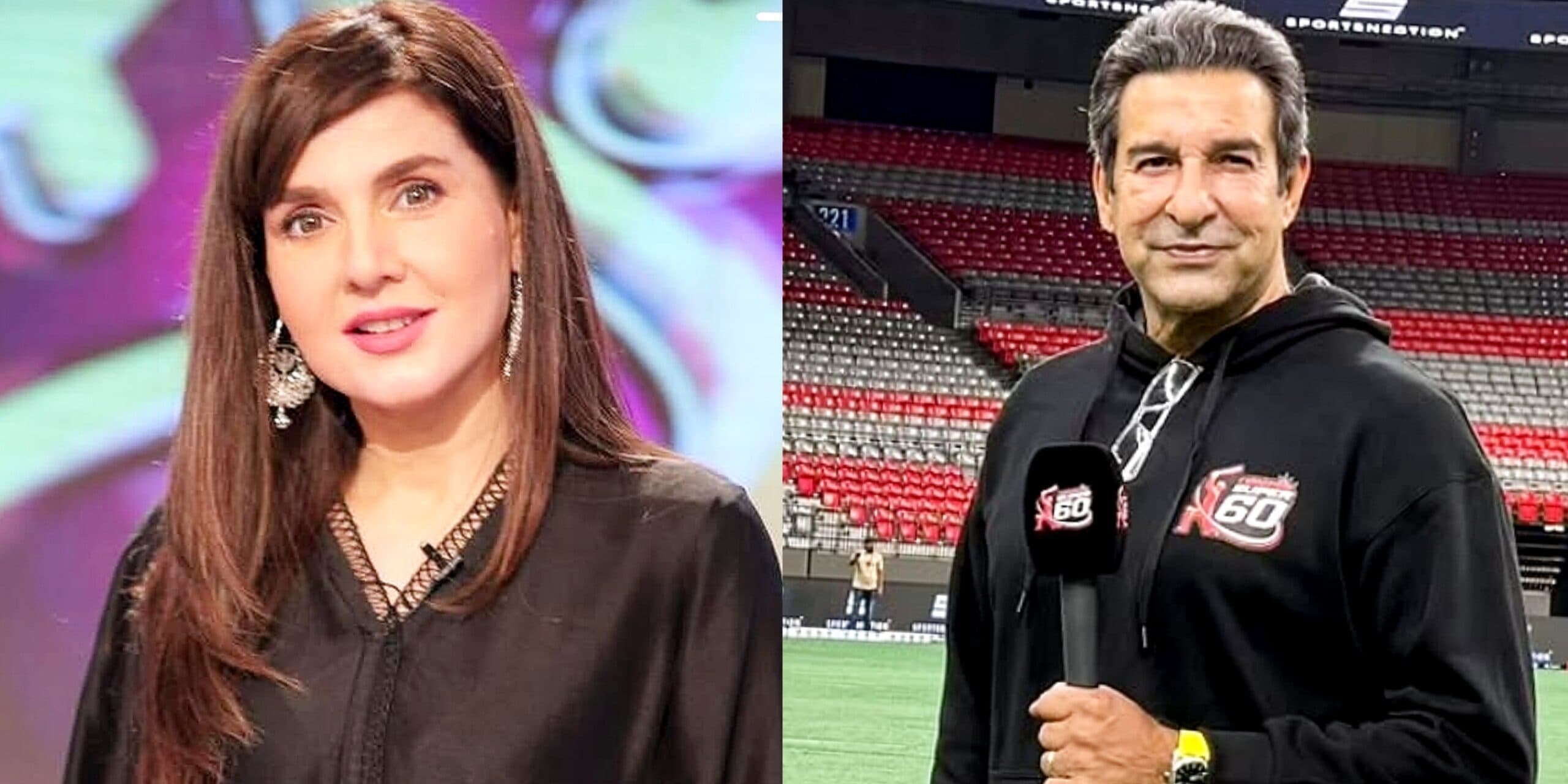
The long-awaited revival of Pakistan Idol has finally hit television screens, reigniting national excitement for one of the world’s most loved singing competitions. Airing on Geo TV, the new season boasts a star-studded judging panel - Fawad Khan, Zeb Bangash, Rahat Fateh Ali Khan, and Bilal Maqsood.
But while the show was expected to unite fans through music, it has instead sparked a wave of online criticism. Viewers are now questioning whether all the judges possess the musical depth required to evaluate contestants striving for the title of Pakistan’s next singing sensation.
After years of silence, Pakistan Idol returned with the promise of discovering hidden talent from Karachi to Gilgit. Yet, instead of focusing on the contestants, much of the public’s attention has shifted toward the judges’ musical credibility.
Clips from the audition rounds have gone viral on social media, not for the performances, but for the judges’ reactions. Many fans argue that some members of the panel, though beloved celebrities, may not have the technical training to judge singers performing across genres like classical, pop, and folk.
As one fan wrote on X (formerly Twitter):
“We expected vocal experts, not just famous faces. Pakistan Idol should be about talent, not stardom.”
Fawad Khan
Actor and former musician Fawad Khan has found himself at the center of the debate. Though he first rose to fame as the lead vocalist of Entity Paradigm (EP), critics argue that his brief music career doesn’t qualify him as a vocal authority.
While his charm and star power undeniably attract viewers, fans feel his musical expertise pales in comparison to legends like Rahat Fateh Ali Khan or Abida Parveen. One viral comment humorously summed it up:
“If Fawad can judge singing, maybe we all have a shot at being experts too!”
Zeb Bangash and Bilal Maqsood
Singer Zeb Bangash has earned respect for her soothing voice and contributions to Coke Studio; her inclusion brings a modern, artistic touch, but critics argue that her soft vocal style doesn’t represent the diversity of Pakistan’s music scene. Supporters, however, defend her spot, saying she embodies the new wave of contemporary Pakistani music.
Meanwhile, Bilal Maqsood, celebrated for his work with Strings, has been both praised and questioned. Fans acknowledge his brilliance as a composer and songwriter but wonder whether that translates into an ability to assess vocal precision.
Rahat Fateh Ali Khan
Among the four, Rahat Fateh Ali Khan stands as the most universally respected. With a career rooted in classical training and international acclaim, his feedback is widely seen as genuine and musically sound. Many fans say his presence alone lends legitimacy to the show, urging producers to ensure future panels feature judges of similar caliber.
The controversy has reignited a more extensive conversation: What truly qualifies someone to judge a national-level singing contest? Experts argue that while celebrity appeal boosts ratings, technical understanding of music is vital for fair evaluation.
Social media is now divided: some call for more seasoned musicians, while others argue that music is subjective, and diverse perspectives make the show dynamic. Either way, the debate has turned Pakistan Idol into one of the most talked-about entertainment events of the season.
Despite the criticism, Pakistan Idol continues to attract massive viewership and online engagement. Fans remain hopeful that the spotlight will eventually return to the contestants.
If the producers take note of public feedback and strike the right balance between star power and musical expertise, Pakistan Idol could still reclaim its credibility and give the country its next great singing icon.
Read more: Pakistan Idol Returns After 10-Year Hiatus