Connect with us

Celebrities

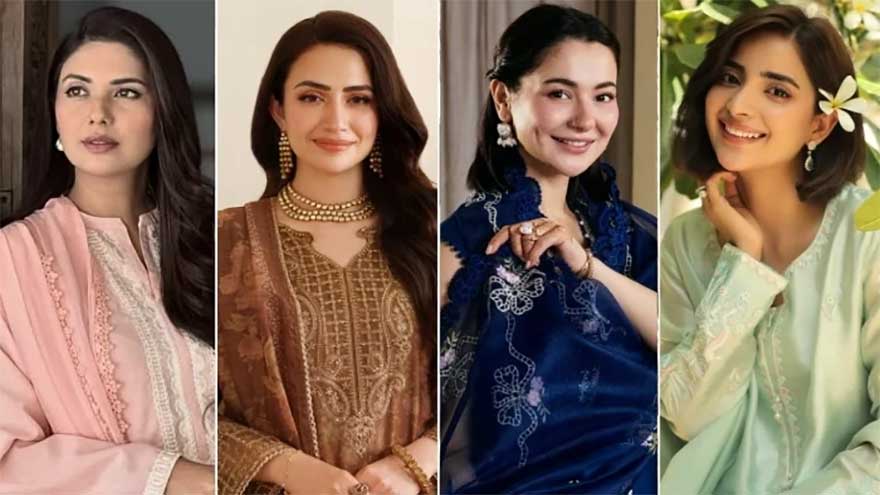
Fake Sana Javed Facebook Page Gets More Followers Than the Real One

Sana Javed

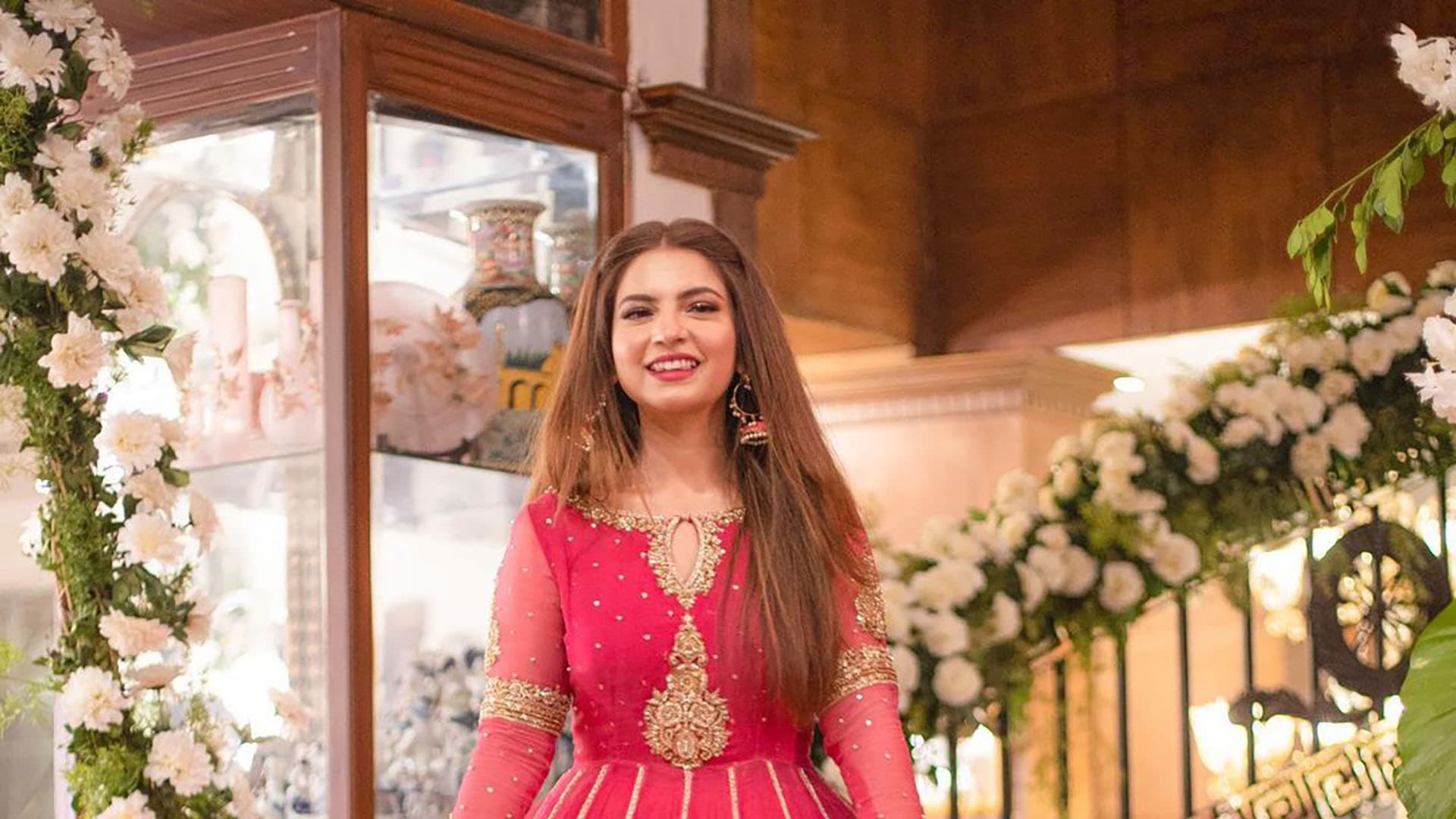
The numbers themselves tell an absurd story. A fraudulent Facebook account using actress Sana Javed’s name attracted 1.7 million followers — half a million more than Javed’s official page.

According to express.pk, the impersonator paid for verification, uploaded personal photographs and family images, and infiltrated the digital ecosystem so convincingly that the fake surpassed the original.

Sana Javed, a prominent figure in Pakistan’s entertainment industry, reacted with alarm. She posted a screenshot of the impersonating account on her Instagram story and asked the core question: how did Meta verify such a page in the first place?

She voiced concern not only about misrepresentation but also about the potential damage to her reputation and her fans’ trust. She directly appealed to followers, urging them not to share or amplify content from the fake account.

The episode showed a stark truth: public figures must guard their digital identity as closely as their careers.

The case troubled many because the fake page carried a verification badge. Once a symbol of authenticity, the blue tick now functions as part of Meta’s subscription service, available to anyone who pays. While the system promises checks, Sana Javed’s case exposed how easily impostors can manipulate it.

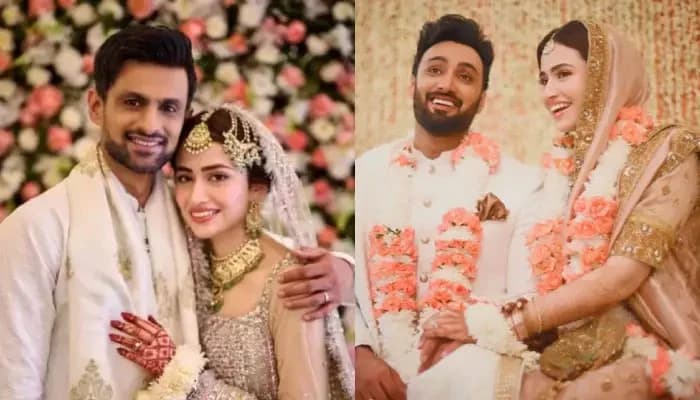
The account used Javed’s personal photographs and images of her husband, cricketer Shoaib Malik, to mimic authenticity and mislead millions. Its follower count soared to 1.7 million, overtaking Javed’s official 1.2 million. Fans struggled to distinguish real from fake, while Javed faced larger questions about accountability: if platforms allow impostors to masquerade as celebrities, what safeguards protect those being impersonated?

Javed reported the fraudulent page to Facebook and informed authorities. After she exposed the matter, the platform deactivated the account — but only after the damage highlighted the scale of the problem.

Her case is far from unique. Fake accounts thrive on Facebook, Instagram, and X (formerly Twitter), often building huge followings, spreading misinformation, and sometimes exploiting fans financially. In Javed’s case, the danger centered on identity theft and reputation, but the implications remain serious.

Impostors now create sophisticated fake accounts, armed with real images, family content, and even fabricated verification. These tactics win credibility quickly, fooling followers into believing they interact with genuine celebrities.

For public figures, the cost includes reputational damage and loss of control over audiences. For platforms, the persistence of fakes raises doubts about their commitment to user safety and accountability. If an actress as high-profile as Sana Javed can be outpaced by an impostor, the issue runs deep.

The incident also revealed the fragile bond between celebrities and fans. Trust, built over years, can collapse when impostors enter the conversation. A single fake post can distort views, spread misinformation, or damage a celebrity’s image. Javed’s plea to fans — not to engage with the fake account — underscored this vulnerability.

Meta’s role raises tough questions. Its verification process, once rigorous, weakened with the introduction of paid subscriptions. While the model generates revenue, it commodifies credibility. In Javed’s case, it allowed a fake account to outshine the real one, creating large-scale confusion.

Although Facebook deactivated the impersonating account, the delay and the fact that verification was granted in the first place exposed systemic flaws. Celebrities now face constant battles against impersonation, while ordinary users face greater risks of being misled.

This case represents more than an actress’s inconvenience. It reflects a growing pattern in which digital impersonation erodes the integrity of online spaces. As celebrities increasingly rely on social media to connect directly with audiences, fake accounts threaten authenticity, trust, and accountability.

The numbers — 1.7 million against 1.2 million — remain striking. They illustrate a paradox: digital influence does not always reward authenticity. In this case, the fake eclipsed the original until exposure brought it down.

Platforms should treat this as a warning. Verification must mean more than a subscription; it must enforce responsibility and protect both users and public figures.

For fans, the episode serves as a reminder: verify sources, question what you consume online, and stay alert. In today’s digital landscape, where fake can appear more convincing than real, skepticism is not optional — it is essential.

Sana Javed’s ordeal with a fake Facebook account that outgrew her genuine page stands as a cautionary tale about the fragility of authenticity online. It shows how easily impostors can manufacture credibility and how quickly they can manipulate public trust.

Also Read: Is Sana Javed Ready for a Comeback After Marriage with Shoaib Malik?

Celebrities

Fazila Qazi defends son Zorain Nizamani amid article controversy

Fazila

Fazila Qazi has defended her son, Zorain Nizamani, after his article “It’s Over” sparked controversy online.

Zorain, a lawyer and PhD student in Criminology in the US, wrote about the new generation’s role in policymaking, arguing that youth are rejecting outdated narratives. The article was later removed following official scrutiny.

In a podcast appearance, Fazila clarified that his views were personal, not political. She stated that misinformation and polarization in Pakistan amplified the situation, contrasting it with the open discourse common among students abroad.

She expressed pride in her son, emphasizing that she raised him with guidance from the Quran and encouraged him to pursue knowledge and critical thinking.

Fazila Qazi is known for her extensive career in Urdu dramas, with notable roles in popular series like Meri Zaat Zarra-e-Benishanand Mere Paas Paas. Beyond her acting work, she has recently gained public attention for supporting her son Zorain Nizamani during a viral article controversy, where she defended his right to express academic opinions while clarifying that his views were personal and not politically motivated.

Fazila is married to fellow actor Kaiser Khan Nizamani, and together they have raised their children with an emphasis on education and critical thinking, as she has publicly expressed pride in her son’s academic pursuits in criminology and law.

Read more: Fazila Qazi Redefining Marriage as a Journey of Responsibility

Continue Reading

Celebrities

Hip-hop hits prime time with Talha Anjum’s new show, ‘Rap Icon Pakistan’

Talha

Pakistan’s hip-hop scene is entering a new era. Leading rapper Talha Anjum has unveiled Rap Icon Pakistan, the country’s first-ever rap reality show—a major step for both underground and mainstream hip-hop.

Anjum announced the project in an Instagram post on January 17, describing it as a platform for genuine talent. He hopes it will inspire young artists to believe in themselves, stay dedicated, and persevere. In his words, the show encourages rappers to “recognize their worth and dedicate themselves fully to their dreams.”

He emphasized that real success in hip-hop isn’t just about fame or numbers, but about staying true to your passion. The show promises to deliver authentic desihip-hop culture.

The announcement video also revealed a star-studded lineup, with legendary rapper Bohemia confirmed as a judge, alongside other notable figures. Anjum called the show a “groundbreaking” opportunity for emerging artists.

Fans quickly flooded the comments with excitement and support, praising the initiative for showcasing raw talent.

While format, judges, and release date are still to be announced, anticipation is building.

Talha Anjum—best known as part of the duo Young Stunners and for solo projects like Open Letter—has been instrumental in shaping Pakistan’s modern rap scene. With Rap Icon Pakistan, he isn’t just launching a show; he’s opening the door for the next generation of hip-hop artists.

Read more: Atiqa Odho on Talha Anjum’s flag row: Art has no borders, but self-respect matters

Continue Reading

Celebrities

Karachi Gul Plaza Fire: Pakistani Celebrities Call Out the System

Karachi woke up to heartbreak once again as flames swallowed Gul Plaza, one of the city’s busiest commercial hubs, leaving behind ashes, grief, and unanswered questions. What was once a thriving center of trade now stands as a haunting reminder of how devastating neglect can be.

The deadly fire tore through the building late Saturday night, raging uncontrollably for over a day. It was only after nearly 33 exhausting hours that firefighters managed to bring the inferno under control. By then, the damage had already been done. At least 14 lives have been confirmed lost, while several others remain injured. With many people still unaccounted for, fears continue to grow that the death toll may rise further.

Beyond the human cost, early assessments suggest losses running into billions of rupees, dealing another blow to an already struggling business community. But numbers alone fail to capture the magnitude of pain being felt across the city.

As news of the tragedy spread, Pakistani celebrities took to social media, not just to mourn the victims but also to express frustration over a system that continues to fail its people.

Veteran actor Nauman Ijaz described the incident as a collective tragedy for the nation. In an emotional message, he offered prayers for those who lost loved ones and urged strength and patience for families whose lives were turned upside down overnight.

Sajal Aly echoed similar sentiments, calling the incident heartbreaking and extending her prayers to everyone affected. Her words reflected the helplessness many Pakistanis feel whenever such disasters strike.

Cricketer Haris Rauf expressed deep sorrow over the loss of precious lives, praying for resilience for the victims and their families. However, his grief soon turned into anger. Taking to X (formerly Twitter), Rauf openly criticized the systemic failures surrounding the tragedy, pointing to poor fire safety measures, delayed rescue efforts, and a structure that simply did not protect those inside.

Actor Ali Abbas also weighed in, stating that the tragedy laid bare the alarming state of the city. He stressed that such incidents should serve as a wake-up call, urging citizens to be more mindful and responsible when choosing those in power.

Adding to the chorus of voices, Amna Zahid Ahmed, wife of actor Zahid Ahmed, lamented what she described as unimaginable neglect. Her remarks resonated deeply with Karachiites who feel abandoned by institutions meant to protect them.

The Gul Plaza fire is a painful reminder of repeated warnings ignored, safety protocols overlooked, and lives lost as a result. While condolences and prayers pour in, many are asking the same haunting question: how many more lives will it take before real change happens?

Read more: Pakistani Celebrities Welcome 2026 with Hope and Gratitude

Continue Reading
Advertisement

Trending

Copyright © 2025 PMC Media Group.