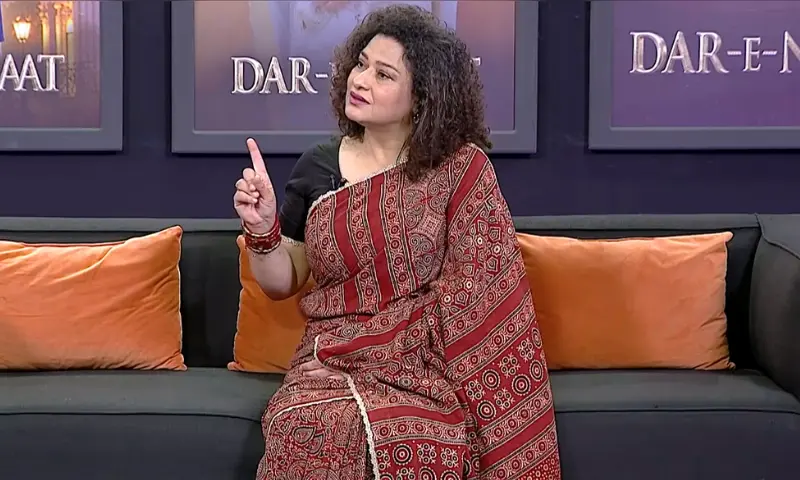
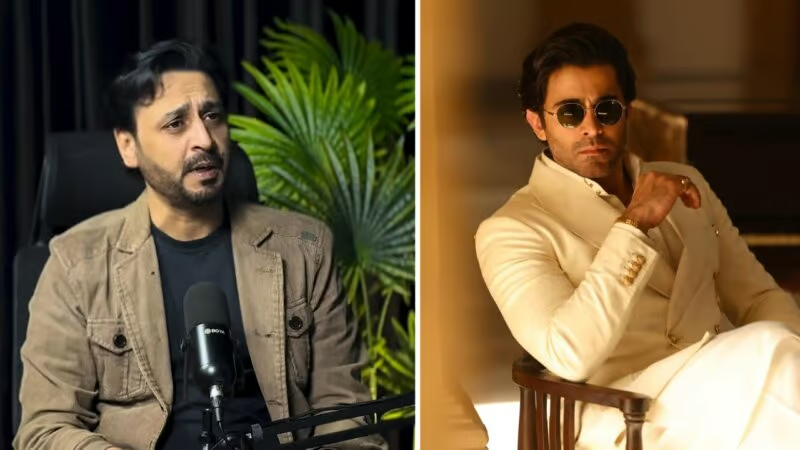
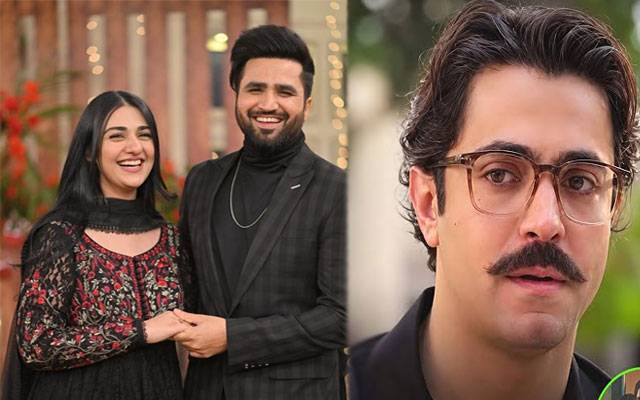
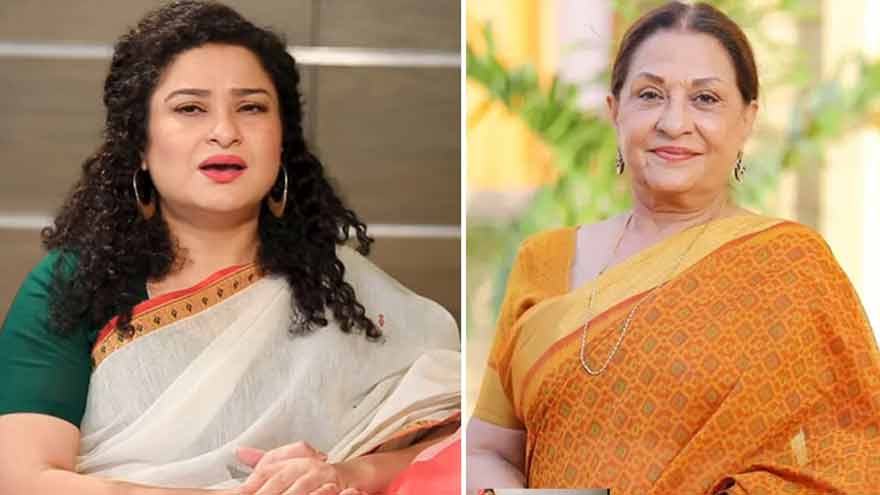
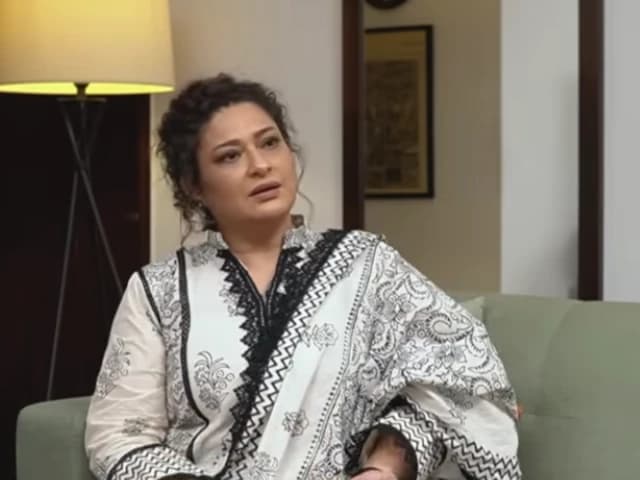
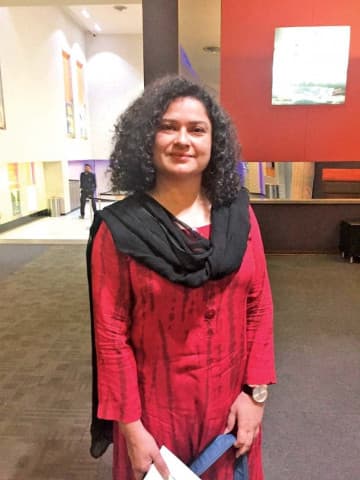
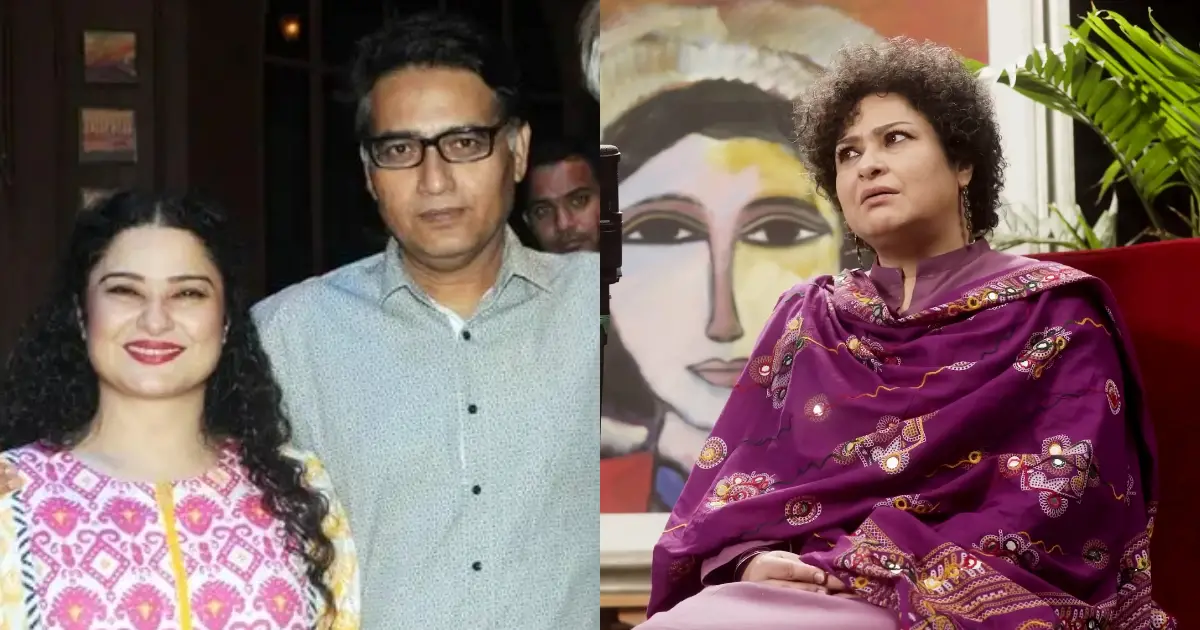
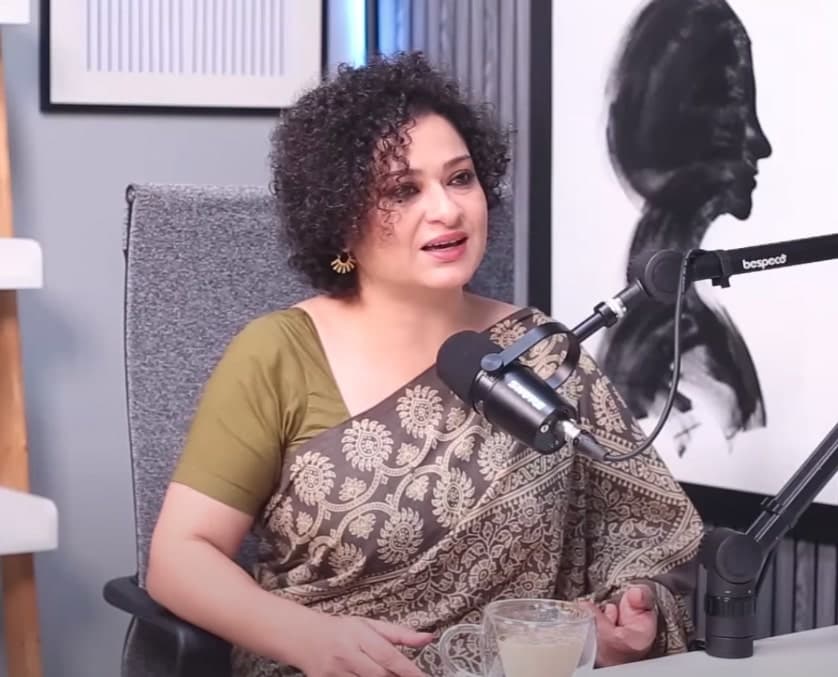
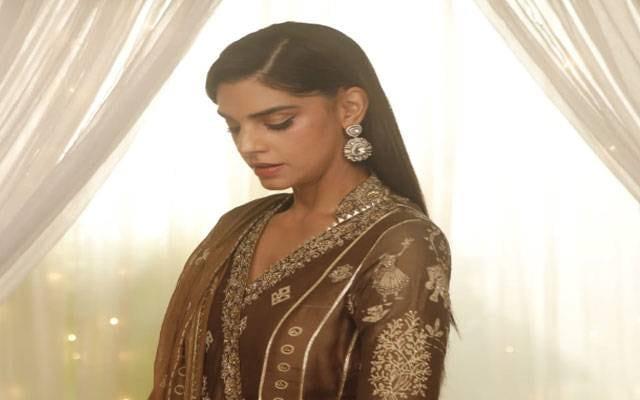
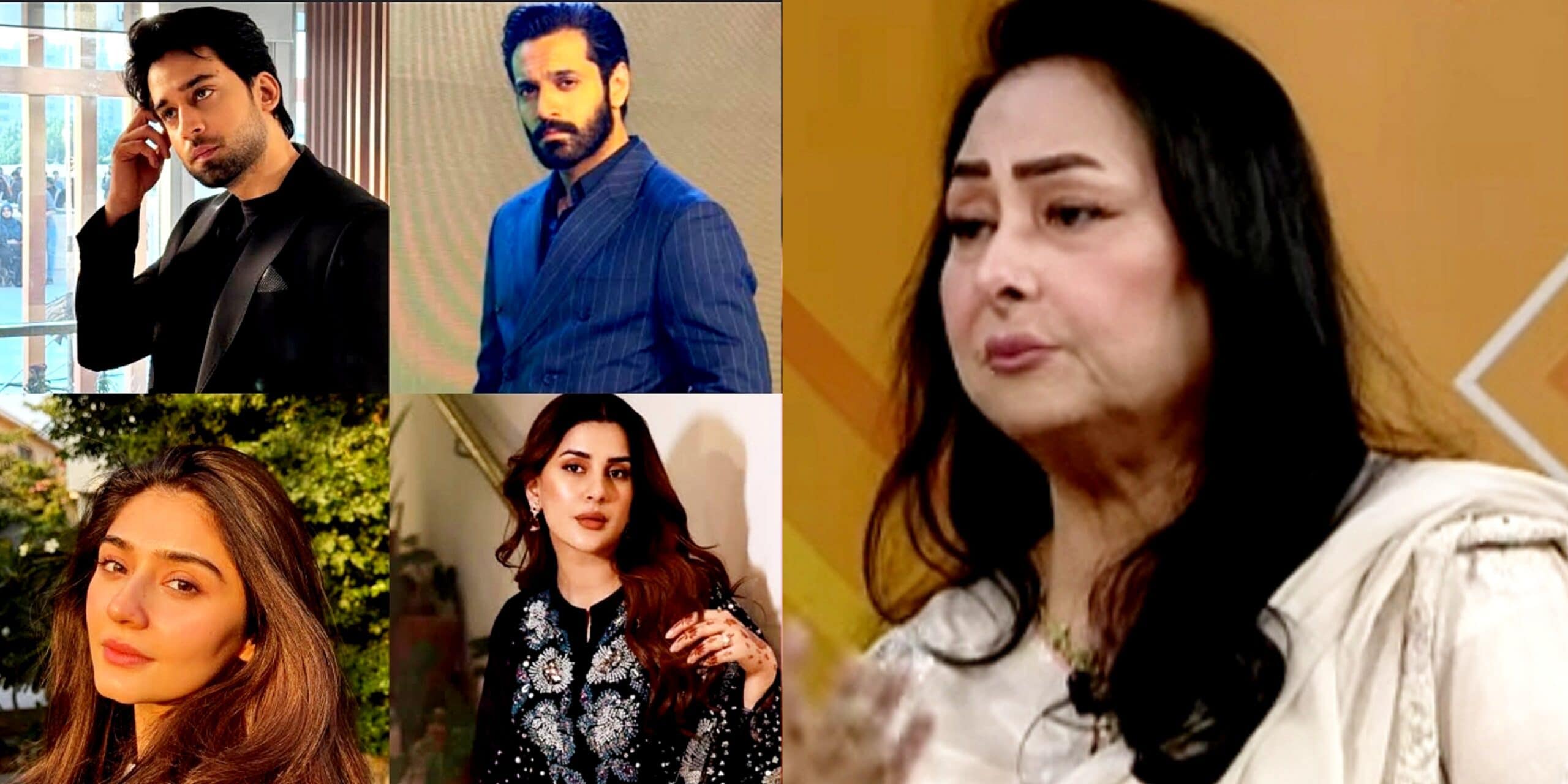
Actor Sania Saeed has opened up about her role as Khushbakht in Dar-e-Nijaat, unpacking the drama's characters and the bigger conversations the story sparked — from inherited trauma and parenting to women's choices and how society views good men and women.
Sania explained what drew her to Khushbakht: "The character was very resilient. She has seen so much in her life and even went through an illness. She spent life alone and raised her child alone. She has also given her son a certain set of values which is reflective of her own upbringing. I really appreciated that."
She zeroed in on Khushbakht's refusal to pass her suffering on. "Khushbakht's most important thought is that she breaks the cycle of the trauma being passed on across generations," Sania said.
"She was like, 'I went through it but my daughter-in-law will not,'" she added.
"She chooses not to spill the pain over to the next generation," Sania said, noting that Khushbakht resolved that her hardships should never become the inheritance of those who followed her.
A key part of the conversation covered Abubakr and the praise his character drew. Sania acknowledged the show had dramatised him somewhat, but she resisted labelling him an angel. "Abubakr is not an angel, though.
We have dramatised it a bit. I feel that he is a decent human being just how men should be. If you call him an angel, you take away from that normalisation," she said.
She also observed that countless women embody the qualities Abubakr displays yet never receive the same recognition. "This is becoming more popular just because he is a man. I know a lot of women just like him. They have basically written the story of a girl and given it to a guy," Sania observed.
She added that almost every household contains such a woman. "You have taken for granted good women and that does not strike you as much as a man doing such good does," she remarked.
The actor then explored how parents shape their children's personalities, arguing that values come through everyday behaviour rather than words alone. "Parents' set of values is what they practice, how present they are," she said.
Citing the characters, she noted how Zaryab's parents' absence shaped her upbringing, while Zamil's parents seemed oblivious to what he was going through. Abubakr, by contrast, grew up watching his mother do social work and practise spirituality. "It became a part of his daily life to be kind and give or share with people," Sania said.
Turning to Zaryab, Sania drew a distinction. Zaryab may have absorbed materialistic values and behaved in a classist way, but that did not make her inherently bad. "Zaryab saw her parents be materialistic. However, she is not a bad person," she said. "Maybe in behaviour she was classist but she was never a bad woman.
She was committed to one man since her childhood and she tried to maintain it and that is why she crossed the line. She was not all over the place," the actor added.
Sania also addressed how women judge their own worth and achievements. She described a kind of impostor syndrome among women — a struggle to believe they deserve what they have achieved because of how society reacts to their success. According to the actor, women question not only their professional or financial wins but also whether they are good wives, mothers, friends and siblings.
Sania tied this back to Khushbakht, who, even after fighting for her choices, hoped her son would not end up with a woman like herself. For Sania, this showed how hard women find it to let go of their past. "It is very hard to let go of your past," she said, adding that it was "always in your head that your society is not accepting you."
Sania closed by arguing that stories need to evolve with the times, especially in how they show women's decisions and relationships. "There are small things such as the fact that many women should be shown that if they make decisions for themselves, they could be wrong. Until they do not fully submit, it is shown that they won't get love," she observed.
She argued, "There are intelligent and ambitious women who make mistakes and need people who can guide them," stressing that women's journeys should shape the decisions they make later in life rather than being reduced to whether they met societal expectations.
One of Pakistan's most notable actors, Sania has built a career across television, theatre and film. Known for nuanced performances and a willingness to take on layered characters, she has consistently brought depth to stories centred on women, relationships and social realities. Her recent work includes Aap Ki Izzat, Dil Manay Na and Sang-e-Mah.