Actor Faran Tahir stressed that Dar-e-Nijaat's message went beyond raising girls. He said it also covered how parents raise, guide, and support all children, regardless of gender.
In a recent BBC Urdu interview, Tahir discussed the drama, its portrayal of parenting and the lessons he hoped audiences would take away. Some viewers might read the show's message as being only about raising daughters. The actor stressed the discussion was about raising children in general.
"There are some places where I hope people do not think that only girls should be raised differently. In the story, I have three daughters, but the message is not that girls should be treated a certain way and boys should be left alone," he said.
"The discussion is on the upbringing of children. We are not saying what Zamil has done is correct, and it is only on Zaryab," he added.
Tahir explained the balance parents must maintain.
"It is important to trust kids but also to guide them. It is also important to give them structure," he said.
He added that the drama reflected realities within society that people do not always openly acknowledge. He noted that viewers understood some people had a parenting style similar to what the drama showed.
Tahir also discussed Abubakr's influence on Zaryab, calling it calming. "From the parents' perspective, if someone is coming into her life which will give her peace and calmness, maybe then that is a good thing," he added.
However, the actor avoided presenting Abubakr as a flawless character. He noted that Abubakr, like anyone else, could make both good and bad decisions. "Abubakr also has choices within himself. He is human. He is trying to make good choices. There is an ability for him to make bad ones too," he said.
For Tahir, the distinction lay in understanding the nature of the story. "We are telling a story. There is a lesson to be learned on goodness. It is not a documentary," he said. He suggested the drama aimed to explore human behaviour and offer audiences something to reflect upon rather than serve as a literal representation of every situation.
Tahir then discussed audience reactions to his portrayal of a father. He revealed that one particular response made him question certain social expectations. "People really enjoyed that I talked respectfully with my mother in the drama which made me question, do others not?" he said.
Beyond Dar-e-Nijaat, Tahir also spoke about his new role and the personal connection he shared with literary characters from his childhood.
Reflecting on his upcoming film Inspector Jamshed, he described the character as one of those literary creations whose absence from younger generations' reading habits disappointed him. "Inspector Jamshed is one of those literary characters that makes me upset to know that the younger generation doesn't read those stories anymore," he said.
Recalling his own childhood, Tahir noted, "When I was growing up, the Imran series, Inspector Jamshed, Umro Ayyar were basics that we had to read so for me Inspector Jamshed was like living a bit of my childhood."
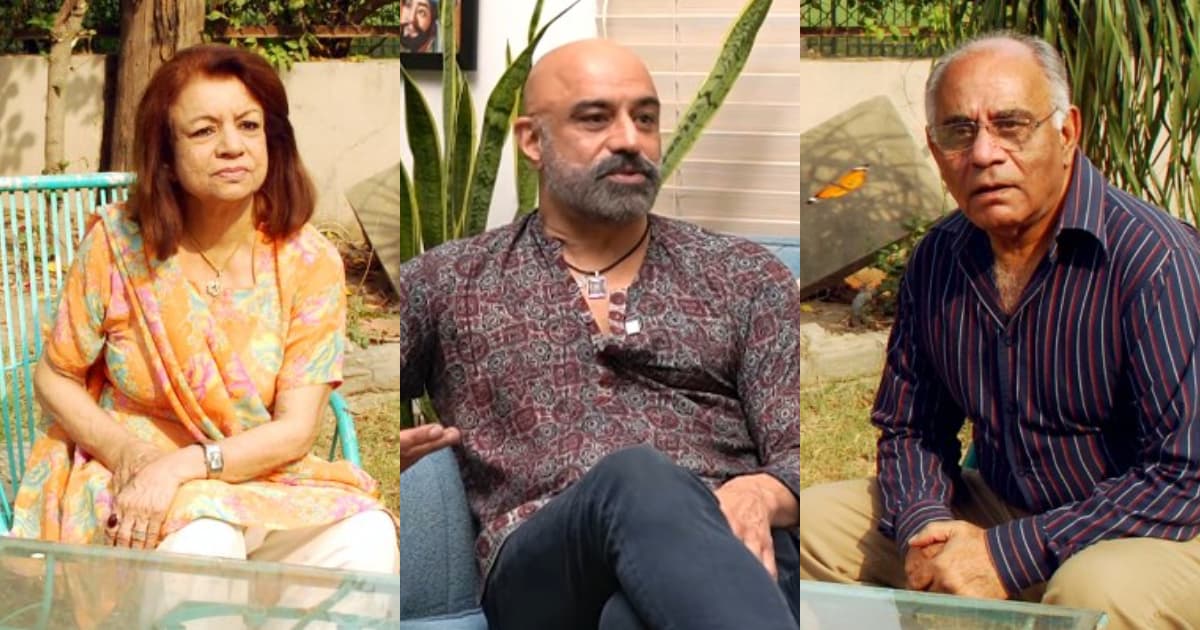
Born in Los Angeles, Tahir comes from a distinguished family of Pakistani theatre and literature. He is the son of veteran actor, writer and director Naeem Tahir and renowned radio broadcaster Yasmeen Tahir.
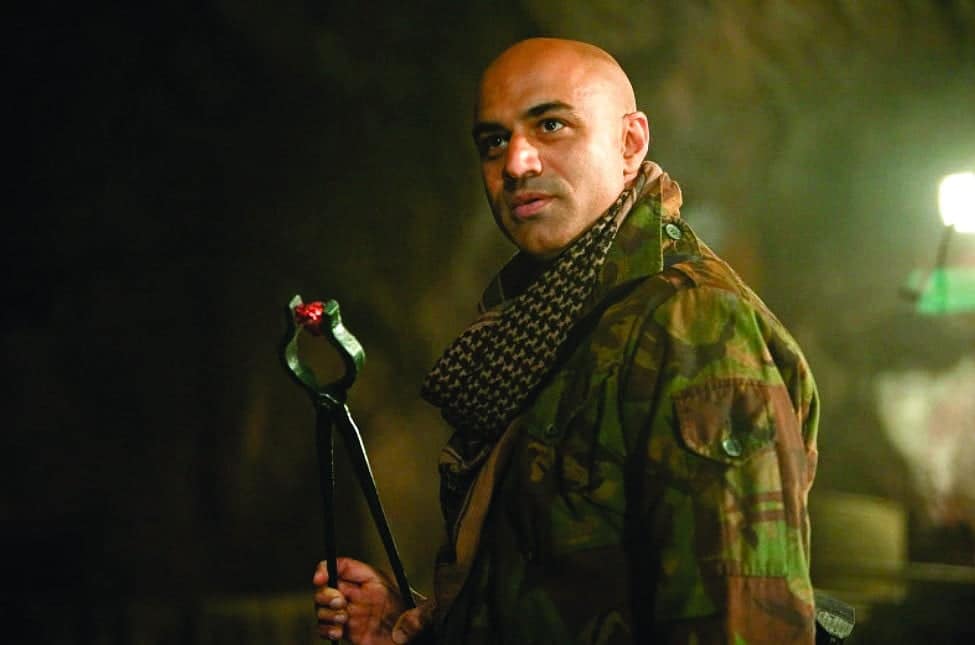
Over his career, Tahir has established himself in theatre, television and film. He has built an international portfolio that includes Hollywood productions such as The Jungle Book, Iron Man, Star Trek and Elysium. His portrayal of Raza in Iron Man and Captain Robau in Star Trek brought him international recognition.
With his work across international productions and Pakistani television, Tahir continues to bring his experience and theatrical sensibilities to a diverse range of roles.