For years, Pakistani prime-time television has often placed female characters into two narrow categories: the helpless, suffering victim or the manipulative woman blamed for breaking families.
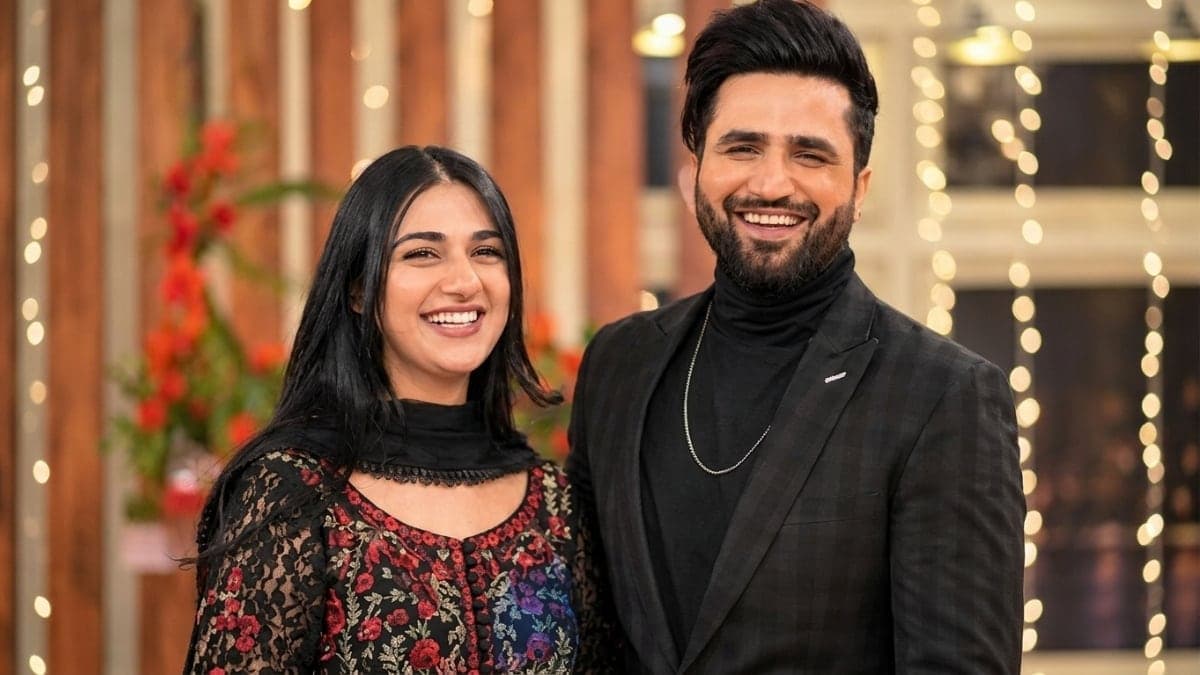
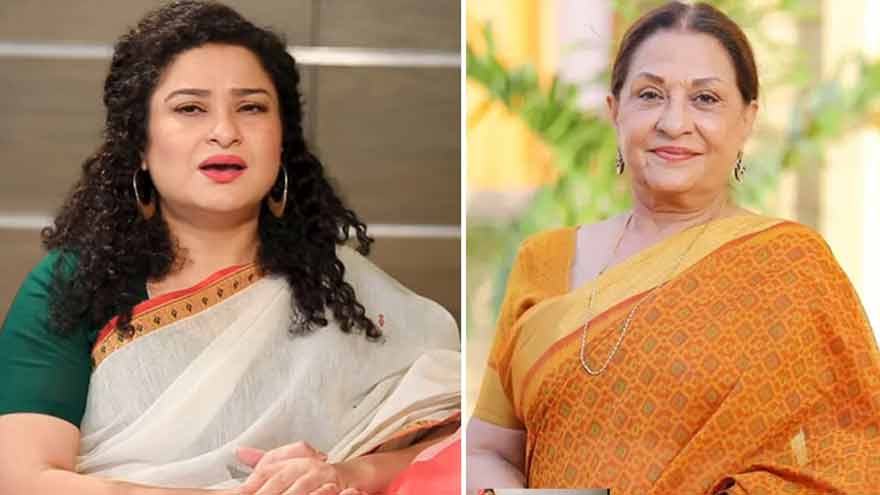
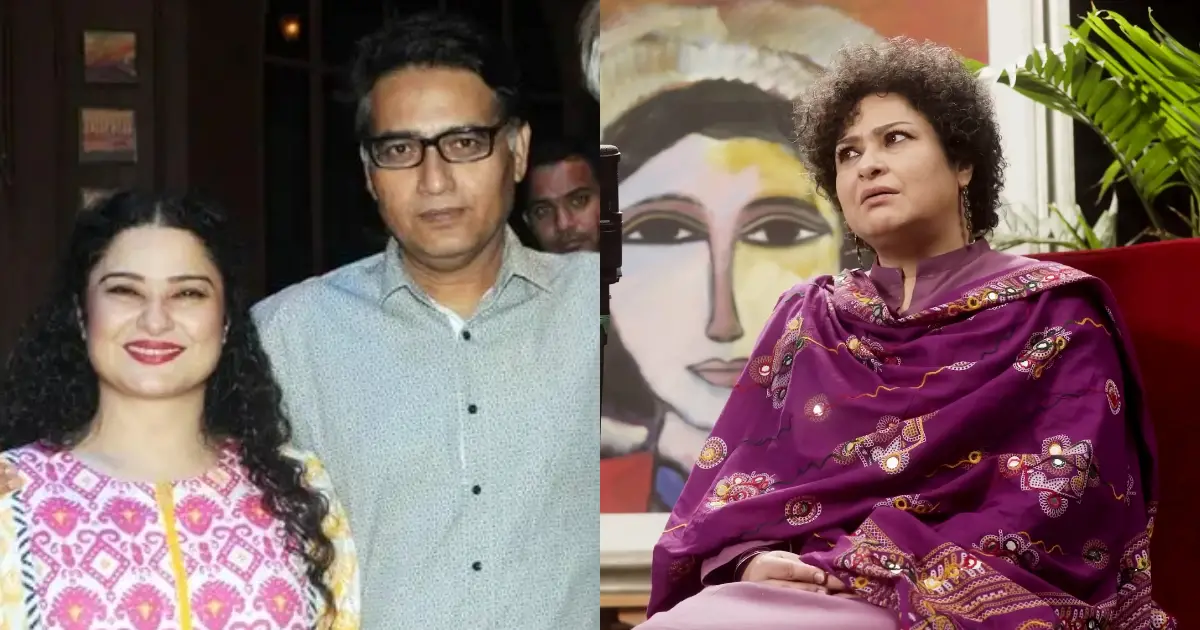
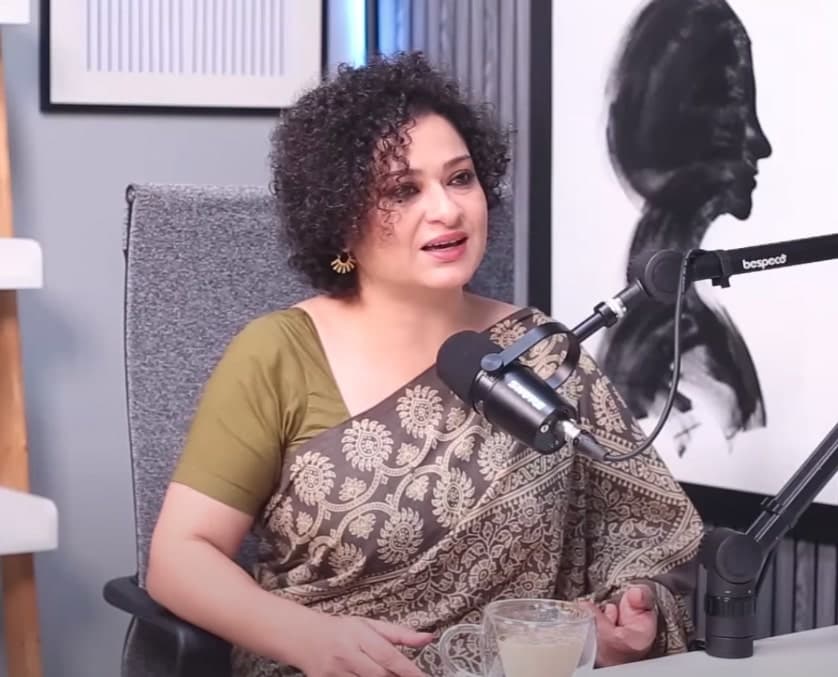
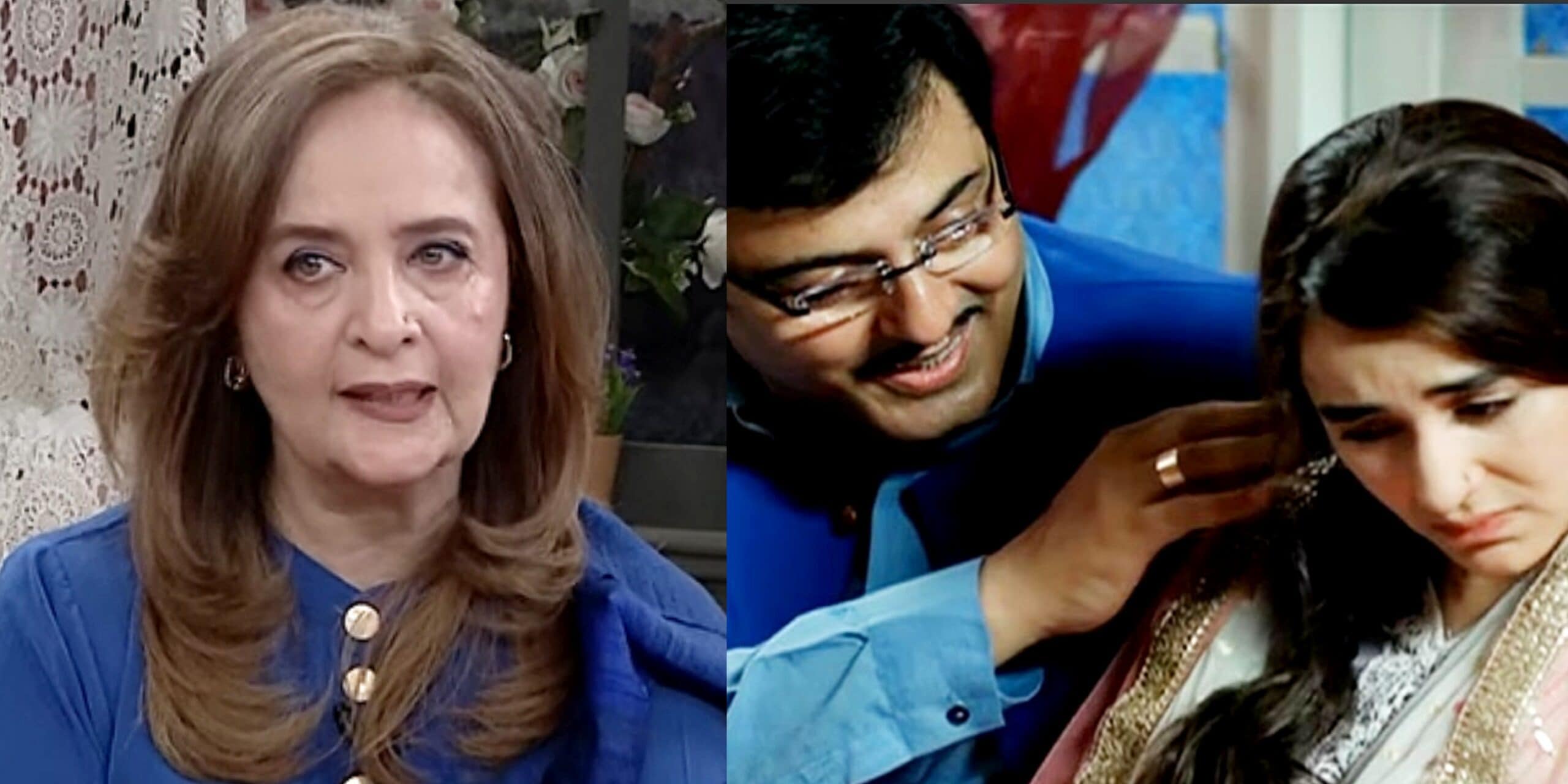
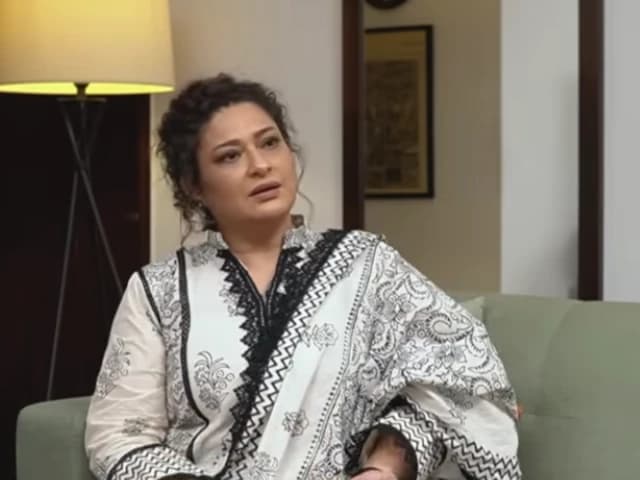
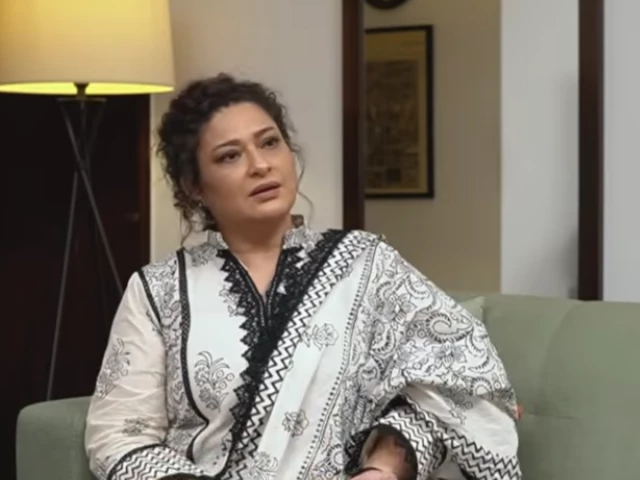
Actor Sania Saeed recently discussed this issue with Aamna Haider Isani, reflecting on the limitations of Pakistani television, the tendency to underestimate audiences, and society’s discomfort with complex women who do not fit into simple moral labels.
Referring to the feminist poem We Sinful Women, Isani questioned why mainstream television remains hesitant to show women who exist in morally grey spaces.
Saeed, who is known for choosing roles that challenge stereotypes, praised writers such as Bee Gul for creating layered characters instead of predictable ones. She said Bee Gul does not write “straight” or overly simple characters.
A major part of the conversation focused on a common defence used by television channels: that they only produce what audiences want to see. Many in the industry argue that because people already face stress in daily life, they prefer light and uncomplicated dramas.
Saeed disagreed with this view, saying entertainment should not simply become background noise. She argued that when stories are made too simple, viewers lose the chance to emotionally and intellectually engage with them.
She said such storytelling creates characters that are so basic that a viewer can understand everything whether they watch the first episode, the fifth, or the eighth.
When asked whether simple stories could be justified because audiences are already under pressure, Saeed said people often remain trapped in stressful situations because they lack the awareness and language to understand what they are experiencing.