Pakistani dramas are finding an enthusiastic audience in India, but their growing popularity has also brought renewed political opposition. While Indian viewers continue to appreciate Pakistani storytelling, calls to restrict the country's entertainment productions are creating a very different picture on the political front.
Why are Pakistani dramas facing opposition in India?
The latest controversy surrounds Dar-e-Nijaat, whose popularity prompted plans for two private screenings in Bengaluru on November 28 and December 5. However, both events were called off after right-wing groups raised objections and police contacted the organisers for details.
The cancellations have brought attention to the growing resistance against Pakistani entertainment, even as audiences across the border show interest in its dramas.
Is Netflix's new Pakistani series facing a similar backlash?
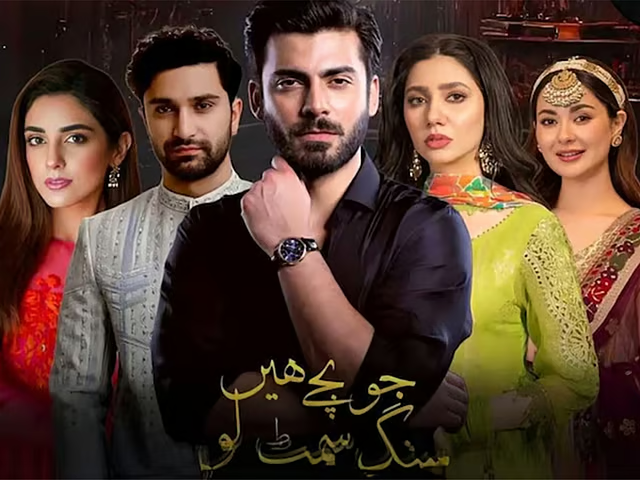
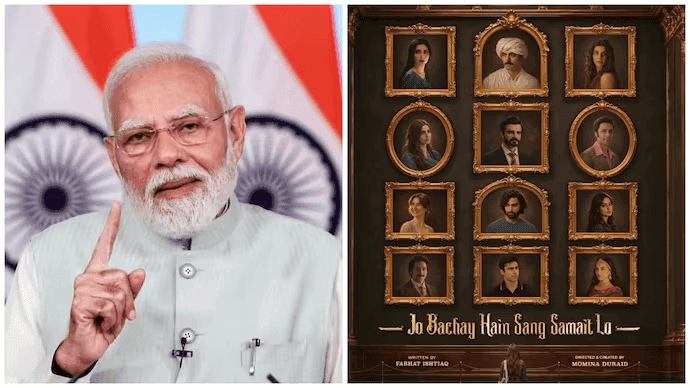
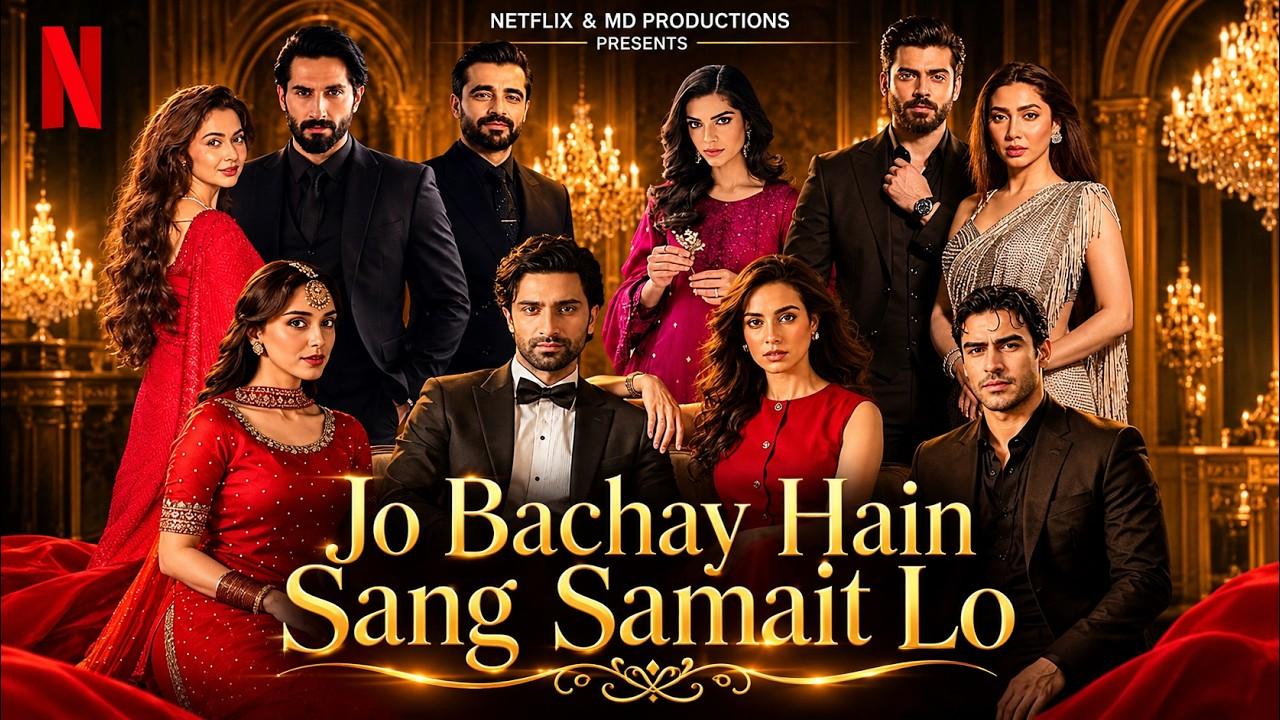
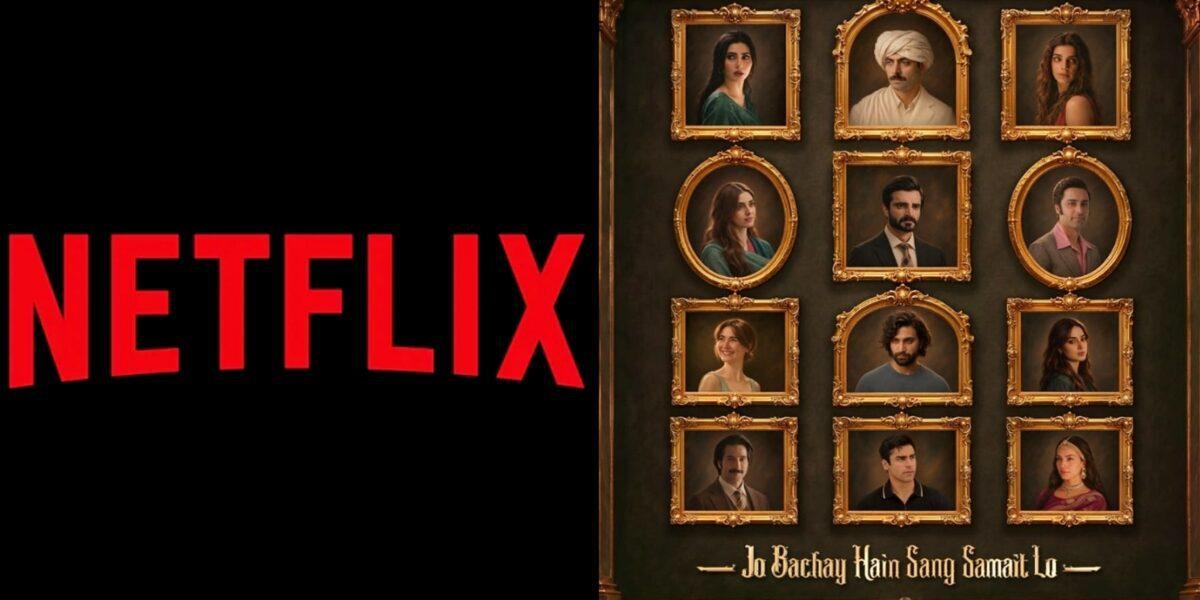
The controversy has also reached Netflix's upcoming Pakistani series Jo Bachay Hain Sang Samait Lo, starring Fawad Khan and Hamza Ali Abbasi.
Indian filmmaker Ashoke Pandit, president of the Indian Film and Television Directors' Association (IFTDA), has urged Netflix to withdraw its plans to stream the show. Speaking to ANI, he accused the actors of insulting India and its security forces during Operation Sindoor. He also warned that association members could boycott Netflix productions in India.
What do Indian viewers think about the controversy?
Despite the objections, Pakistani dramas continue to attract Indian viewers, many of whom have taken to social media to express their appreciation for the country's television productions. Several users have questioned why entertainment should become part of political disagreements, pointing out that Indian shows have also enjoyed audiences in Pakistan for years.
Perhaps that is what makes the situation so striking. While political voices continue to raise objections to Pakistani productions, Indian viewers are showing that their appreciation for a good story does not necessarily stop at national borders. After all, audiences connect with characters, emotions and storytelling rather than political affiliations. Pakistani dramas may be facing resistance in certain political circles, but their growing popularity among Indian viewers suggests that the appetite for these stories remains. So, while politics may draw the boundaries, audiences don't always feel the need to follow them.