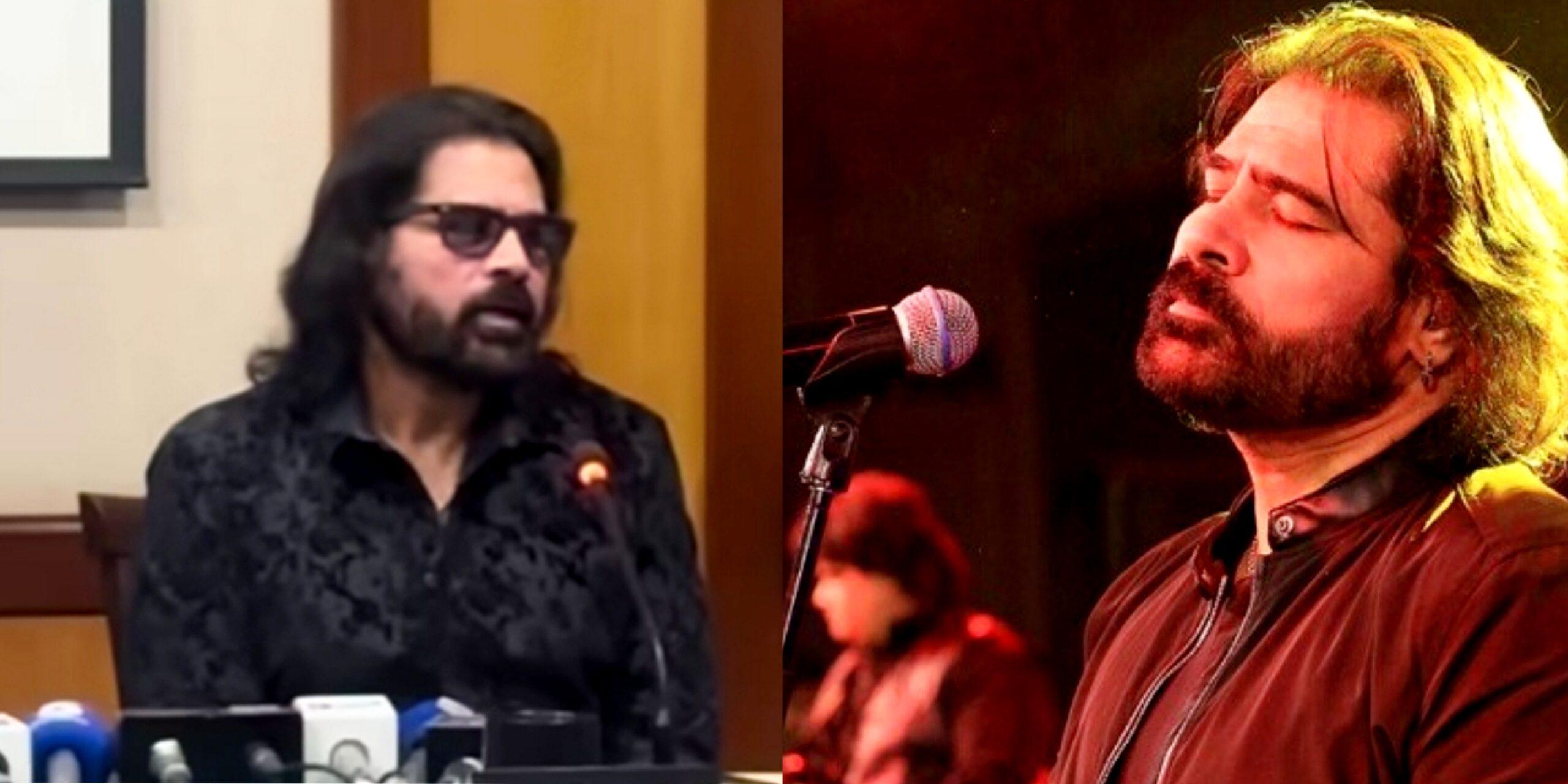
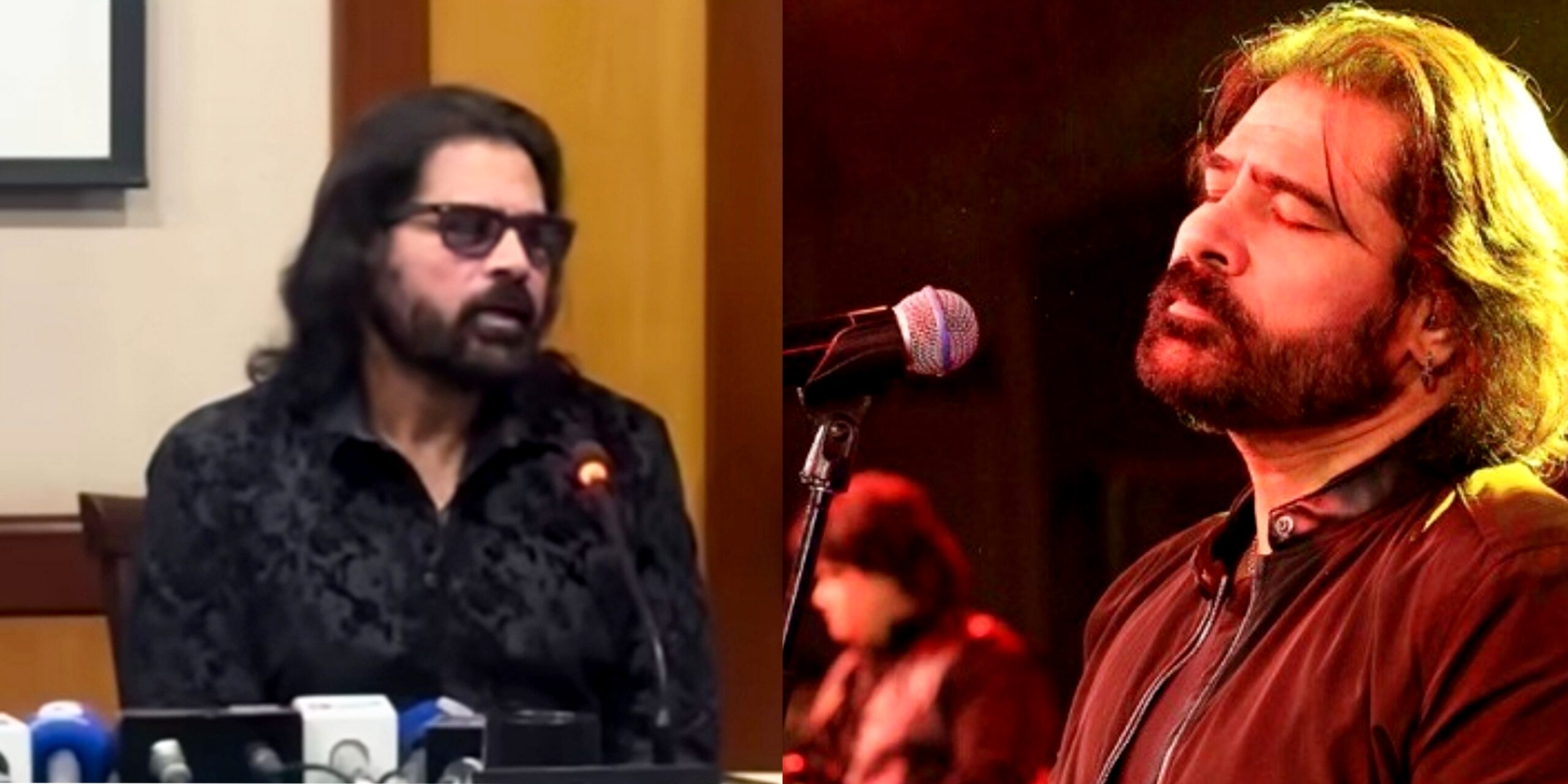
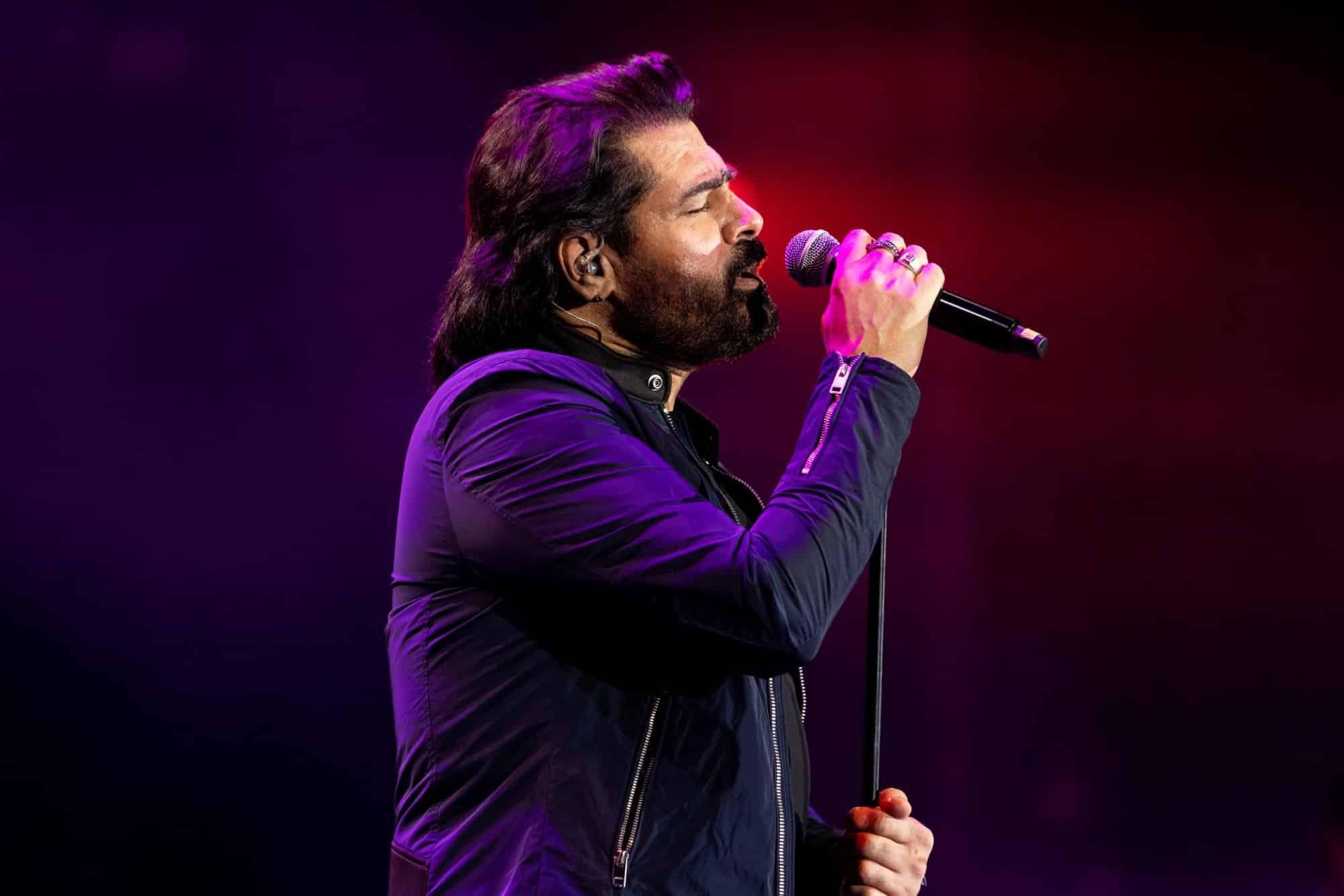
Shafqat Amanat Ali takes immense pride in carrying his family's musical legacy. He says the responsibility has made him more conscious of his craft and the expectations that come with his name.
For him, representing a family with such a rich musical history means not only honouring its achievements but also setting higher standards for the generations that follow.
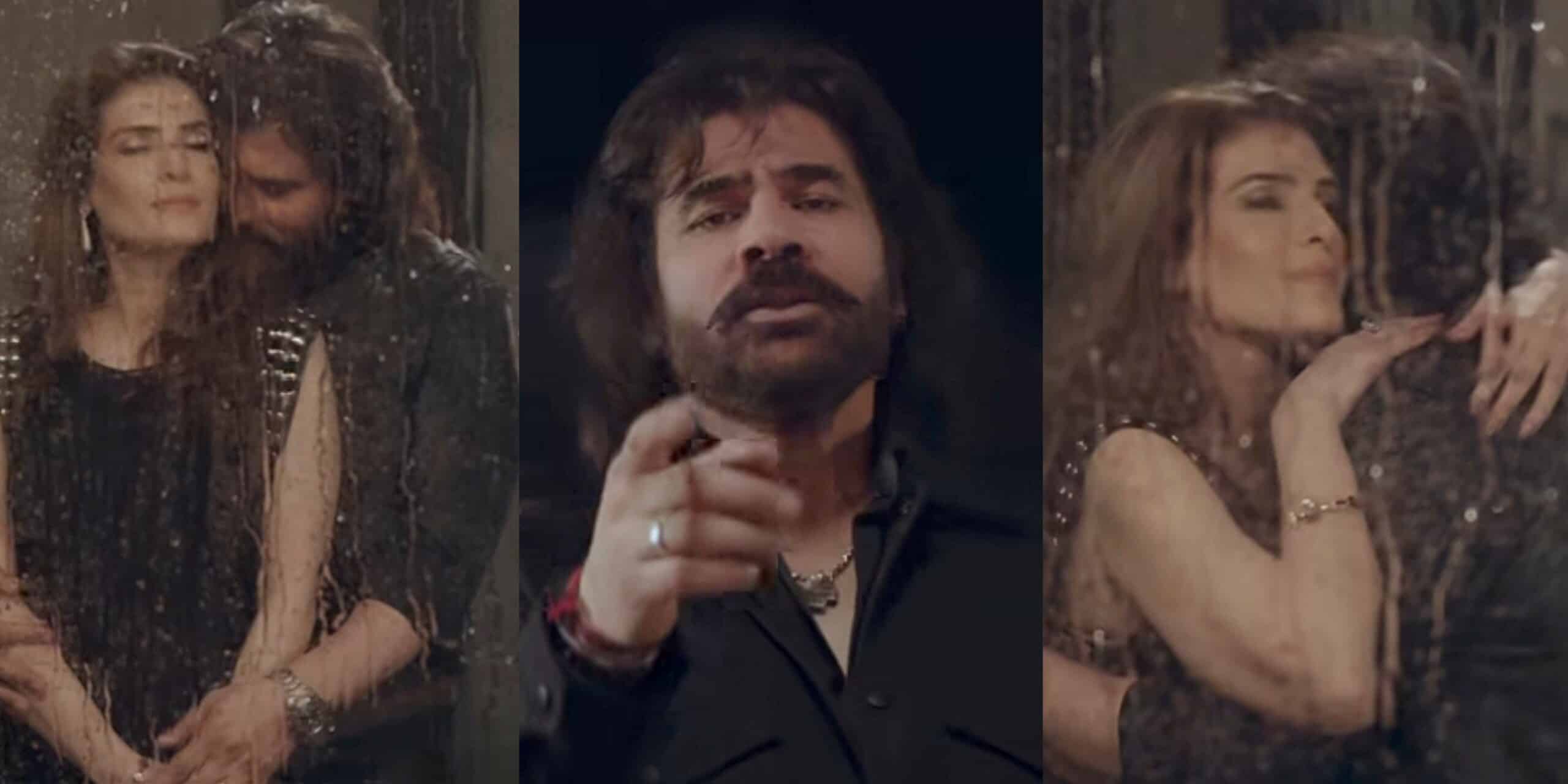
In a recent interview with Fuchsia Magazine, Ali reflected on his musical upbringing, the lessons he learned from his grandparents, the pressure of belonging to a celebrated musical family and the personal choices that shaped his career. He also discussed how he established himself as an independent artist, the success of his song Aankhon Ke Sagar, the making of Mitwa and the health challenges that disrupted his performances.
“Whether I want to or not, I am representing my family,” Ali said, explaining how he viewed his association with a renowned musical lineage. “It is not that I do not like that this is the case. It is something I am proud of. But as they say, great powers come with great responsibilities.”
Ali believes that carrying his family's name demands higher standards and a greater sense of accountability. He also wants his work to inspire younger musicians to raise their own standards. “It makes you more responsible and more careful. If you have done your homework and know what you are doing, you feel more responsible to raise the bar for the upcoming generation,” he said.
Ali's relationship with music began long before he entered the industry professionally. His grandparents introduced him to the art when he was just three or four years old and guided his earliest lessons. “The journey, if we go way back, started when I was very young, like three or four, and had my first lesson from my grandfather and grandmother,” he recalled.
His grandparents shaped his musical education through more than formal lessons and vocal practice. They also shared family stories and anecdotes that helped him understand the history behind their musical traditions. “The whole learning process does not include just singing but also anecdotes and incidents being told,” he said.
His grandfather, in particular, told him stories about the family's musical heritage, including his father's performances before kings and other prominent figures. His grandmother, meanwhile, gathered the children to revise their lessons and reinforce what they had learned.
The values his grandparents instilled in him also shaped how he interacted with established musicians outside the family. Ali said they taught him to respect others and recognise their contributions to the art. “The point was to know how to respect them or it won't take you anywhere. It will take away from your voice,” he said, emphasising that respect for others formed an essential part of his musical education.
However, growing up in a family full of accomplished musicians also brought its share of challenges. Ali admitted that the remarkable talent surrounding him sometimes made him question his own abilities and whether he could establish a distinct identity. “Everyone in the family sings better than me and did. Even the kids now do,” he said.
He recalled comparing his singing with that of his relatives and other celebrated artists, including Nusrat Fateh Ali Khan, Sultan Fateh Ali Khan and Asad. These comparisons sometimes made him wonder whether he could find his place in a family with such an extraordinary musical legacy.
Eventually, Ali decided to pursue an independent career and moved to Karachi to find his own direction. He also wanted to achieve financial independence and avoid situations that could compromise his dignity or his family's reputation.
“I did not want to take money from someone and then they will see me on television some day and tell people he took money from me,” he explained. “If you can't add respect for your family, then do not be a reason to insult them.”
Ali also chose to pursue higher education before entering the music industry, becoming the first member of his family to attend university. He initially wanted to study at the National College of Arts, but when he could not secure a seat, he enrolled at Government College instead.