

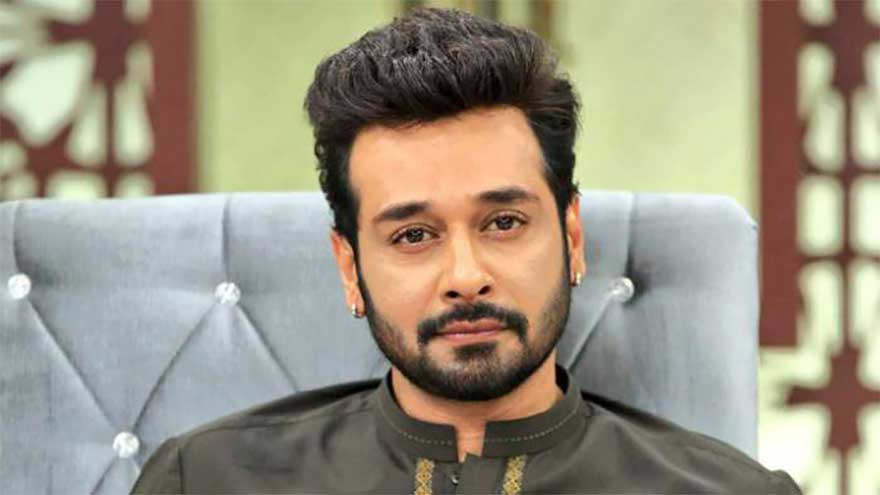
Actor Faysal Quraishi has challenged the belief that married daughters should return to their parents' homes only after their deaths, stressing that parents remain responsible for their daughters' safety and well-being even after marriage.
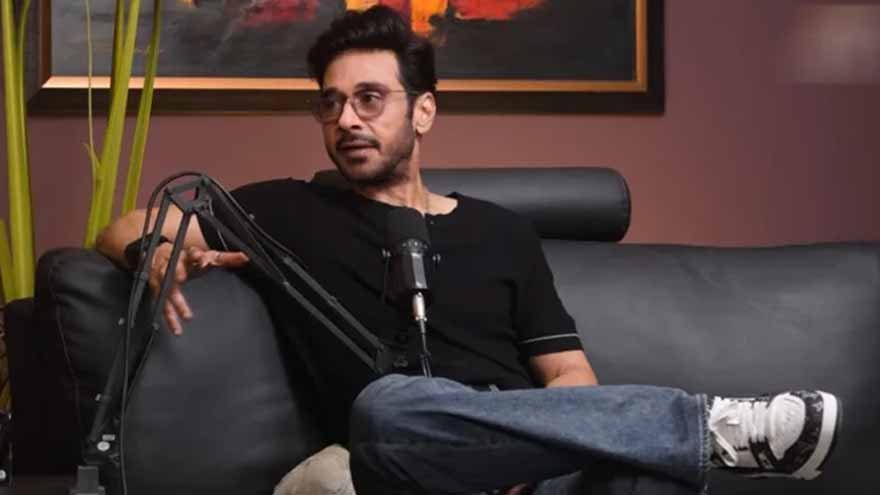
Speaking in an interview with Vasay Chaudhry alongside actor Hareem Farooq, Quraishi questioned the mindset that women should endure abuse in their marital homes rather than seek support from their families.
"I mean, you have raised her, so you won't stay as her back-up? If she is being beaten up there or is being abused, then why do people have such thoughts that she will only return when it's her funeral?" he said.
"Is she not your daughter?" he asked, emphasising that marriage does not diminish a daughter's place in her parents' lives. "If you are alive and well, take that responsibility," he added.
His remarks highlighted the importance of parents providing a safe space for their daughters, particularly when they face violence or abuse in their marital homes. He challenged the social stigma that can prevent women from seeking refuge with their families when a marriage becomes unsafe.
Quraishi also referred to the drama Muhabbatein Chahatein, featuring Mawra Hocane, recalling a scene in which a father stands up for his daughter. He praised the portrayal for promoting equality between sons and daughters and demonstrating the importance of parental support.
"I liked it so much that we are showing such stuff in dramas that whether daughter or son, they are both equal," he said.
He further explained that standing by a child could deter wrongdoing by ensuring the child did not feel alone. "When you stand up for your child, the person doing the crime won't have the ability to," he said.
Drawing a connection to his upcoming film, Mango Jutt, Quraishi shared a Punjabi dialogue that conveyed a similar sentiment: "Hun peeche mur ke vekhi, tere peeche main khlota aan" — meaning, "Now look back, I am standing behind you." "When you know someone is beside you, even the person in front of you can't commit a crime," he added.
The conversation also touched on Quraishi and Farooq's upcoming Punjabi film, Mango Jutt, and the thinking behind its unusual title. While "mango" might initially seem unexpected in the title of a Punjabi film, Farooq said it carried several associations, including being Pakistan's national fruit and the king of fruits.