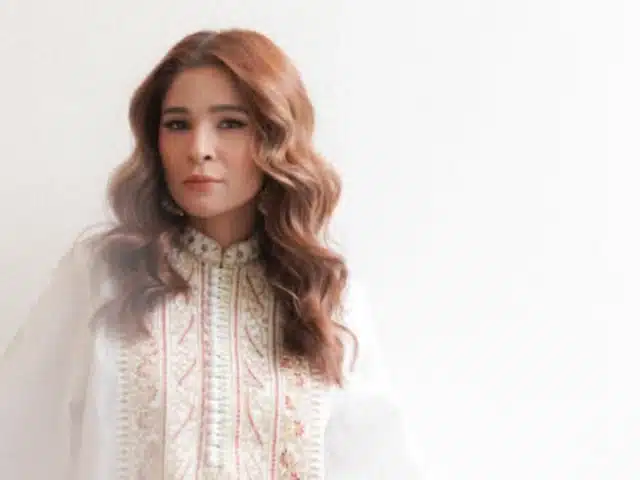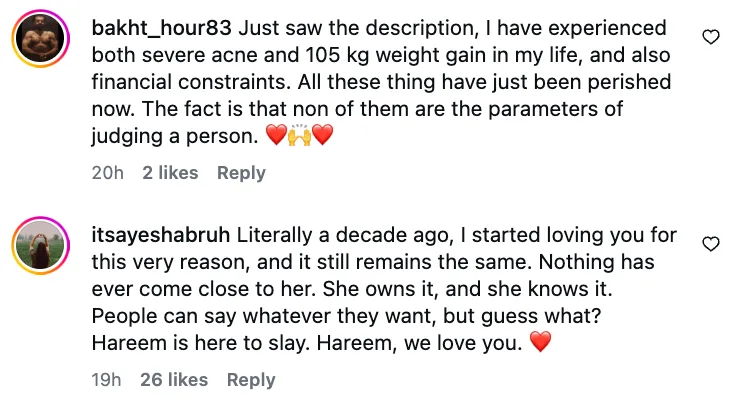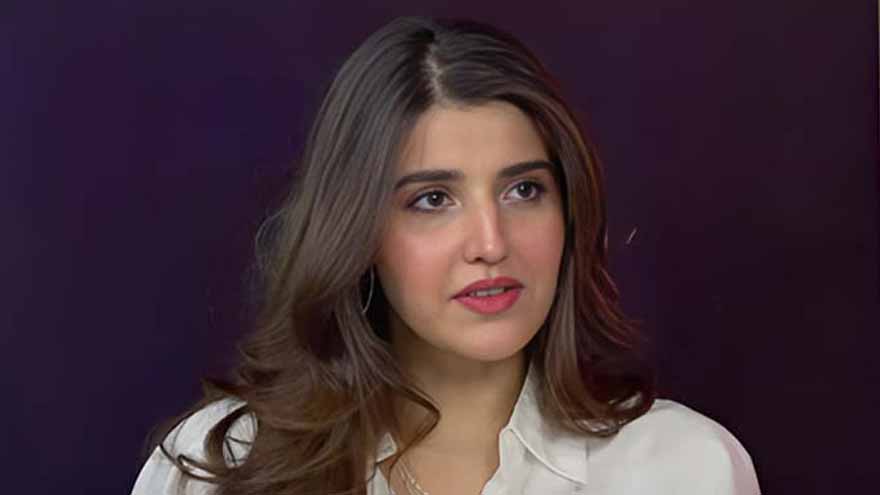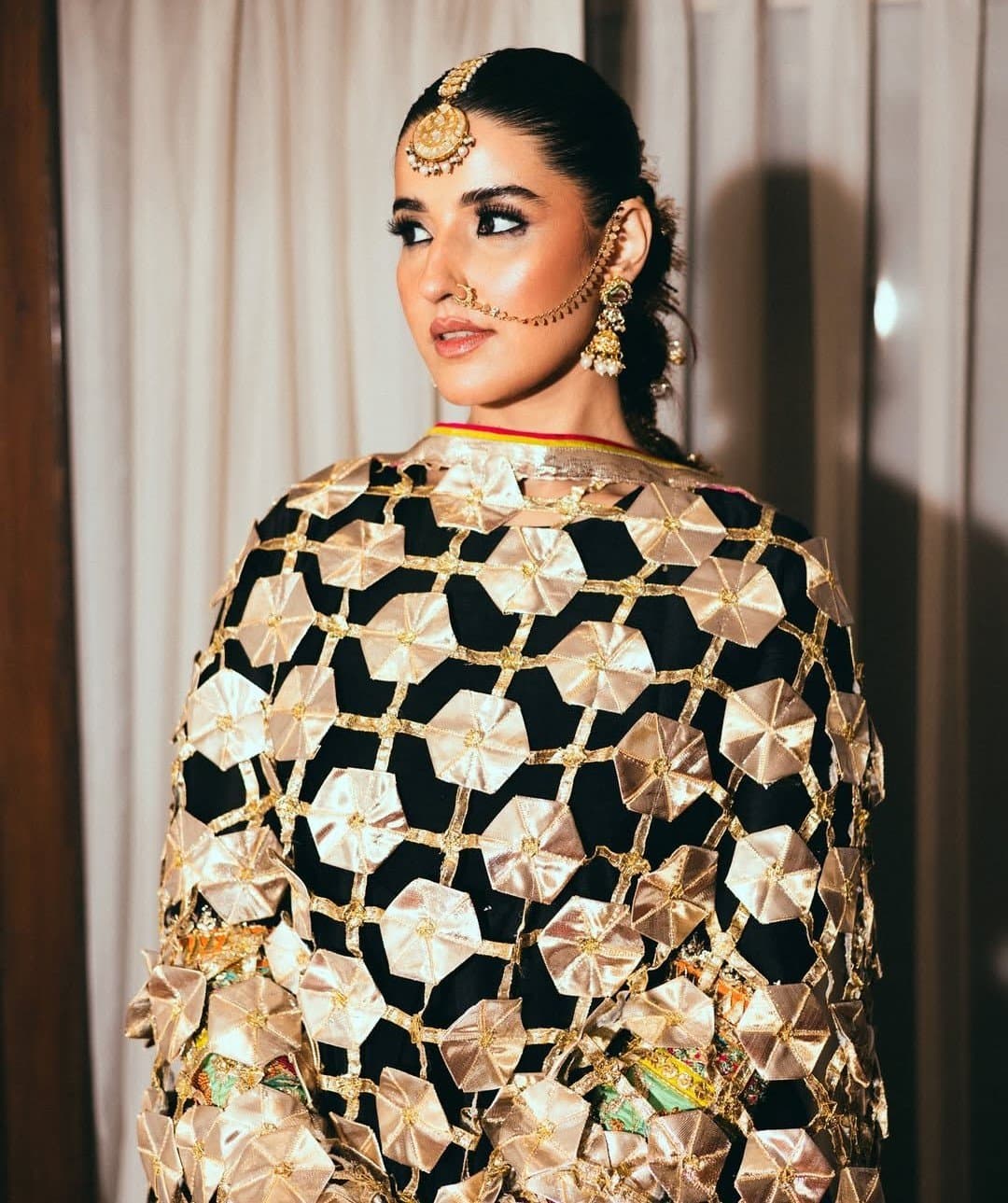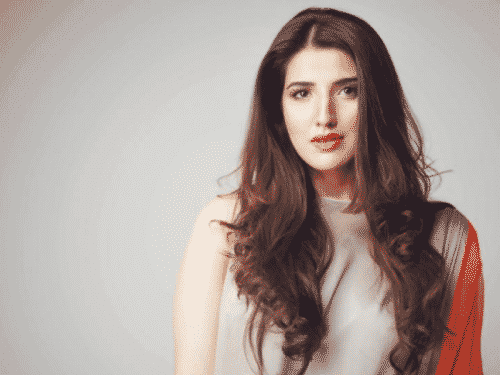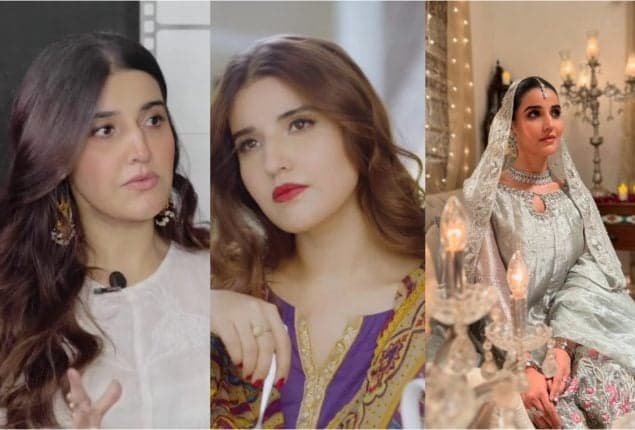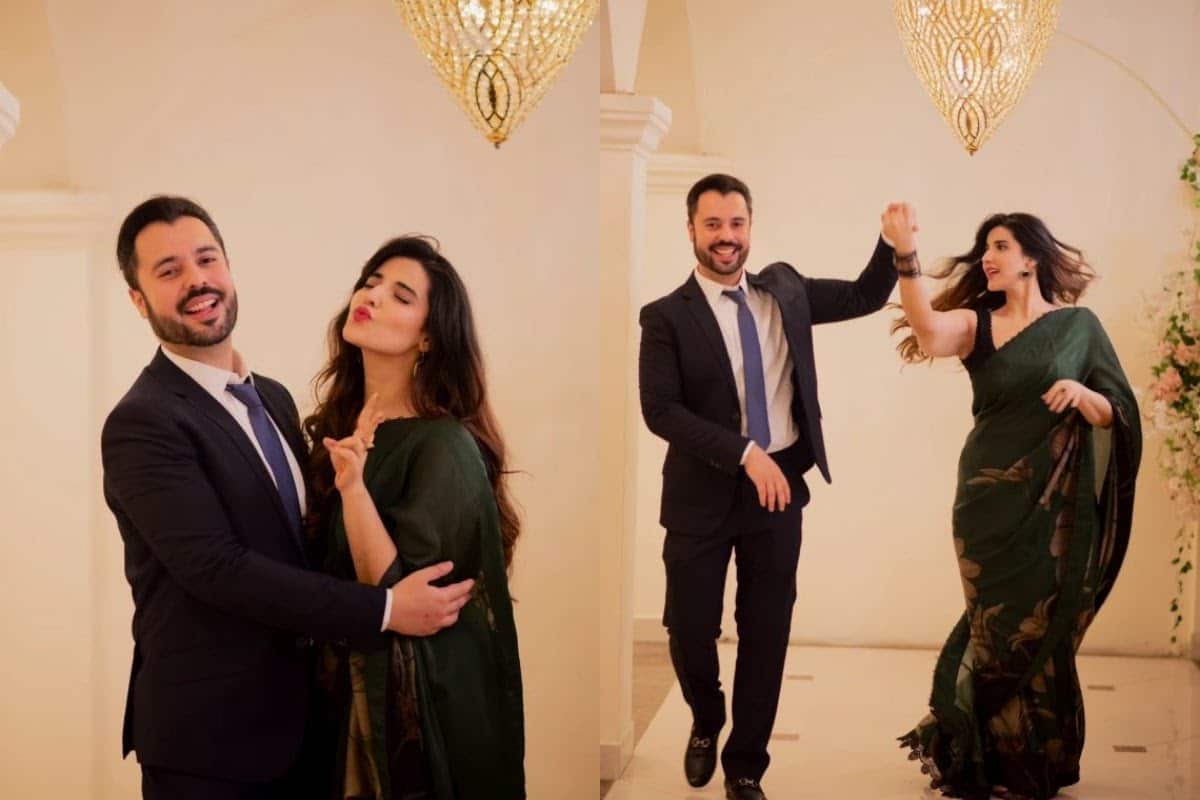

Hareem Farooq has encouraged people to accept the bodies that have supported them through life's triumphs and struggles, contending that looks should not define self-worth or become grounds for public judgment.
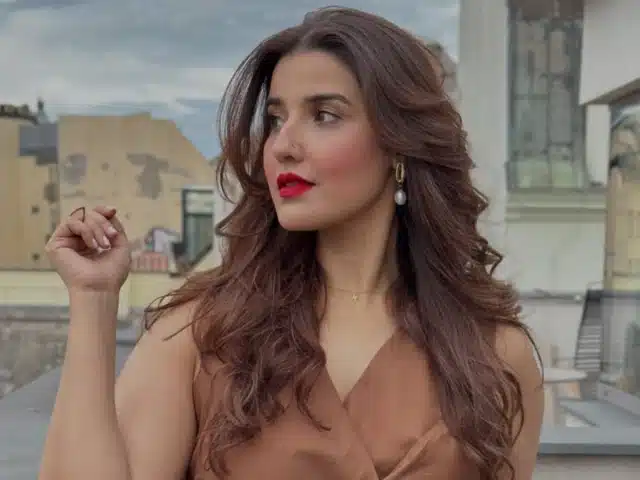
The actress posted a collection of images of herself posing on a rooftop wearing a brown dress by designer Manal Saleem. With the photos, she spoke candidly about the insecurities numerous individuals face regarding acne, hair loss, weight fluctuations, body shape and skin tone, urging her followers to see past traditional standards of beauty.
Discussing the physical transformations people undergo over a lifetime, Farooq enumerated the traits and changes that are frequently unfairly criticised, from stretch marks and acne to weight shifts and varying body types.
“Stretch marks. Acne. Marks. Hair loss. Weight gain. Extreme weight loss. Flabby arms. Toned arms. Back rolls. Thick bodies. Thin bodies. Tan, fair or golden skin. Thin or voluminous hair. Straight or curly hair and what not. None of these determines your beauty or your worth,” she wrote.
Instead of equating beauty with outward appearance, Farooq emphasised qualities like empathy, courage, kindness and resilience as the attributes that give a person deeper significance.
“Your deepest beauty lives in your empathy, honesty, courage, helpfulness, character, perseverance, joy, faith, kindness and fearlessness, in the love you carry in your heart, the intelligence of your mind, the purity of your soul, the glimmer of hope in your eyes, the way you face adversity, the desire to always do and be better than yesterday, how you treat others, owning your roots, your values, lifting others, being happy for others and how you cherish the rare, beautiful things only you may see,” she said.
The actor also acknowledged that bodies are not static and can change significantly through different stages of life. She pointed to pregnancy, hormonal changes, illness, stress, trauma and grief, saying these experiences are often overlooked when society imposes rigid expectations about how women should look.
Farooq wrote that bodies can change through “pregnancy, hormones, illness, stress, trauma, grief and survival”, while also highlighting the pressure created by patriarchal beauty standards that encourage women to conform to particular sizes or shapes to be considered acceptable.
Rather than viewing such changes as flaws that need to be explained, Farooq encouraged her followers to recognise their bodies for everything they have endured. “Accept, embrace and honour your body. It has carried you through the good, the bad, the extraordinary and the unbearable. Be grateful for it,” she continued.
Farooq also challenged the culture of unsolicited commentary surrounding people’s appearances, arguing that individuals should not have to explain changes in their bodies or defend the way they choose to look, dress or exist.
“Your body is not a public debate, a cautionary tale or an invitation for commentary. No one owes the world an explanation, apology or performance of acceptability. Let everybody exist without needing permission. Let people dress, age, change, heal and take up space without being measured against someone else’s standards,” she wrote.