Pakistani actors Iqra Aziz and Imran Ashraf sparked nostalgia among drama fans after a recent Instagram Story brought back memories of their much-loved characters, Bhola and Noori, from the acclaimed drama serial Ranjha Ranjha Kardi.
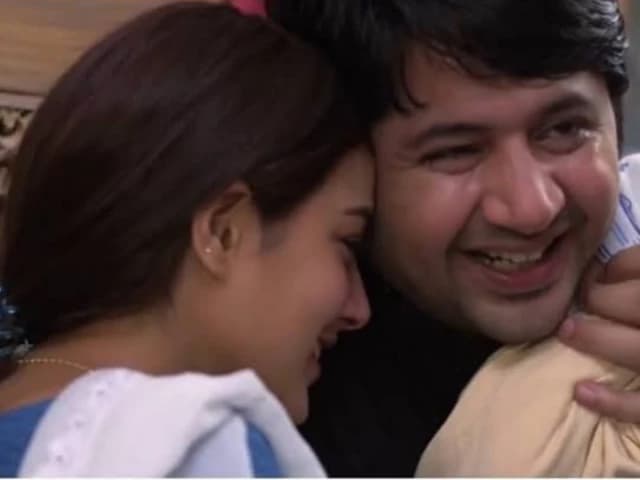
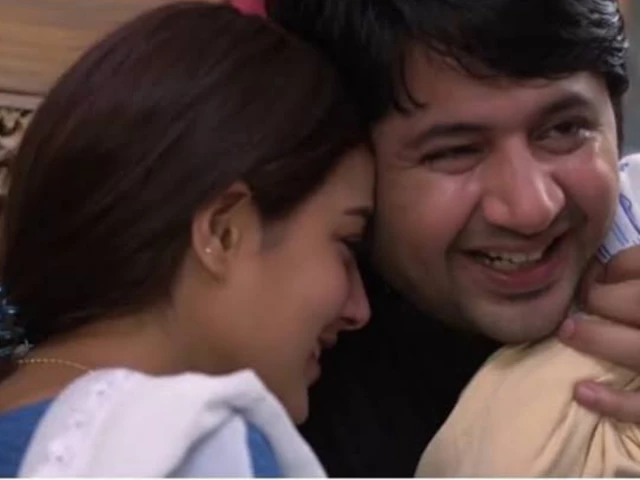
Aziz shared a photograph of herself with Ashraf on her Instagram Story, adding the words "Bhola aur Noori" alongside a star emoji. The picture shows the two actors sitting closely together in a warmly lit indoor setting, dressed in casual black outfits and smiling at the camera. Imran is seated beside Iqra, who leans towards him, creating a relaxed and affectionate moment that instantly recalls their on-screen pairing.

The actress also added Muqaddraan, sung by Rahma Ali and Saania, as the background soundtrack. The emotional music further strengthened the nostalgic feel of the post, reminding fans of the drama's memorable moments and the journey of its central characters.
The post quickly drew attention from viewers who continue to remember Bhola and Noori as one of Pakistani television's most distinctive on-screen duos.
Ashraf followed by posting the same image to his Instagram to write, "Great Iqra Aziz. Bhola and Noori".
Fans expressed their love, with some questioning if there was a new project. Others wrote, "My Bhola and Noori" followed by "My Ranjha Ranjha Kardi heart omg".
First aired in 2018, Ranjha Ranjha Kardi earned widespread appreciation for its compelling storytelling, layered characters and exploration of difficult social realities.
Imran's portrayal of Bhola, a young man with an intellectual disability, stood out for its emotional intensity and unconventional characterisation. Meanwhile, Iqra played Noori, a determined young woman from a disadvantaged background whose ambitions and life circumstances shape her complicated journey.
Their performances helped the drama move beyond a conventional romantic narrative, addressing themes of social class, identity, vulnerability and relationships. The series also encouraged conversations around disability, consent and society's treatment of marginalised individuals.