Connect with us

Entertainment

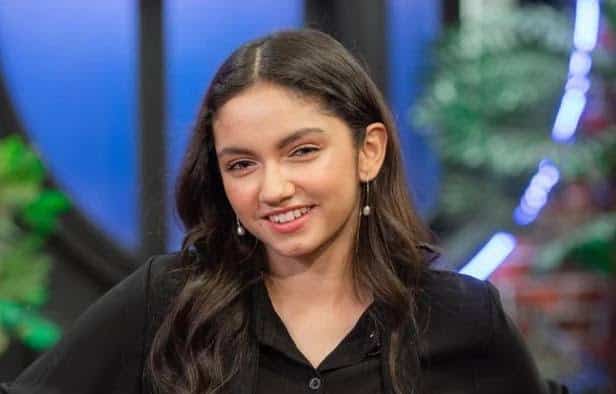
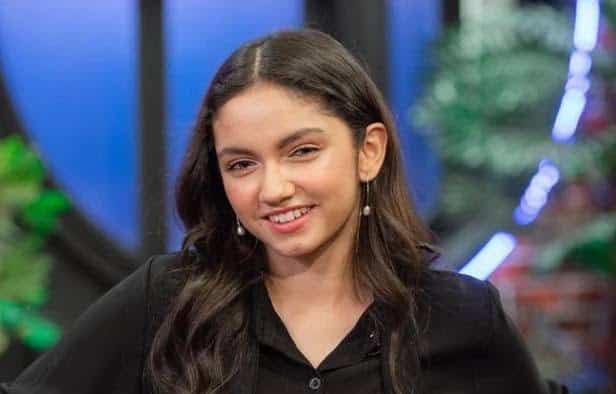
Social Media Debates If Aina Asif Is Too Young for the Roles She’s Getting

Pakistani teenage sensation Aina Asif has quickly climbed the ladder of success, becoming one of the most in-demand young stars in the entertainment industry. With back-to-back hit dramas and a growing fan base, Aina is enjoying a career trajectory many seasoned actors dream of. However, along with fame, she has also found herself at the center of an intense debate about her age.

From powerful performances in popular dramas like Hum Tum, Mayi Ri, Baby Baji, Pinjra, and Pehli Si Muhabbat to her more recent hits Judwaa and Parwarish, Aina has proven that talent knows no boundaries. Viewers are currently praising her emotionally charged role in Maa on Green Entertainment, while her presence in Hum TV’s Ramzan special Tum Larkay Bhi Na is also winning hearts.

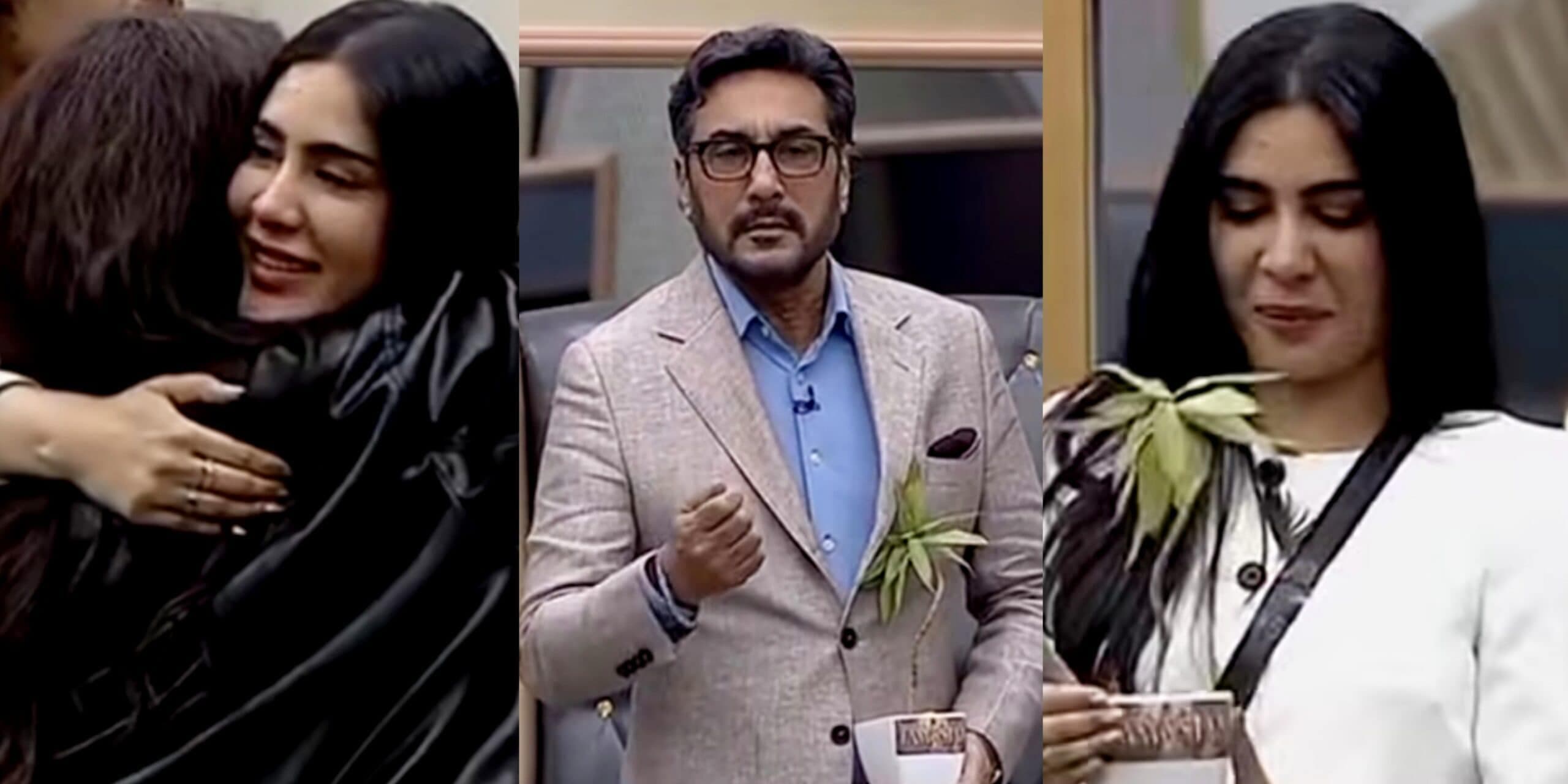
Despite her flourishing career, Aina recently found herself answering uncomfortable questions about her real age during her appearance on Bahar-e-Ramzan, hosted by Faysal Quraishi.

During the conversation, Aina addressed the ongoing speculation surrounding her age. She revealed that she is still under 18 and will be eligible for her national identity card in a few months. The actress confidently stated that she started working young, just like many other top stars in the industry, and has no regrets about it.

She also pointed out the double standards often seen in casting. While some critics insist she should only play roles suitable for her age, the irony is that when she does, audiences claim she looks older. Meanwhile, actors in their mid-20s frequently portray teenage characters without facing similar scrutiny.
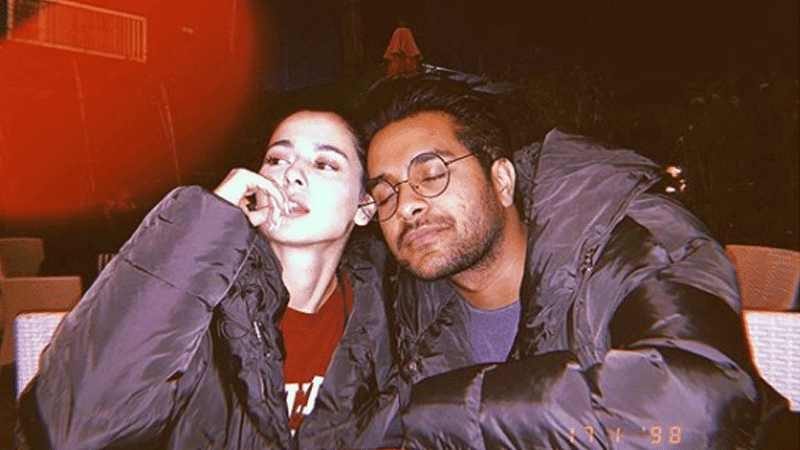

According to Aina, age-appropriate roles for teenagers are rarely written anymore, and if she waited for “perfect” scripts, she might miss valuable opportunities. She believes her performances speak louder than numbers and feels she has rightfully earned her place in the industry through hard work, consistency, and dedication.

As expected, Aina’s remarks instantly went viral, triggering a wave of reactions across social platforms. Some fans jokingly claimed that she has been “17 forever,” while others speculated that she might actually be older than she claims. A small but vocal group raised concerns regarding child labour laws if she is truly under 18.

However, the majority of fans came forward in her support, praising her maturity, professionalism, and acting prowess. Many argued that instead of questioning her age, people should appreciate her talent and the emotional depth she brings to her characters.

Read more: Heavy Make Up Destroyed Aina Asif’s Skin In Judwaa


Entertainment

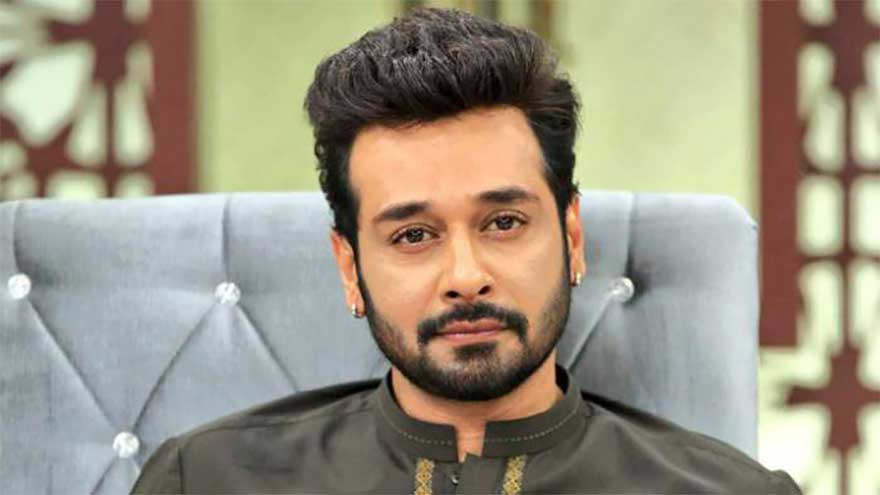
Faysal Quraishi Claims Indian Market Is Holding Pakistani Content Back on Netflix

Faysal Quraishi

Veteran Pakistani actor Faysal Quraishi has shared his candid views on why he believes Pakistani productions have yet to secure a stronger presence on Netflix, pointing to a combination of political, commercial, and industry-related challenges.

Widely regarded as one of Pakistan’s finest television actors, Faysal Quraishi has built an impressive career with memorable performances in dramas including Boota from Toba Tek Singh, Meri Zaat Zarra-e-Benishan, Bashar Momin, Qaid-e-Tanhai, Haiwan, Muqaddar, Hook, Farq, Aap Key Liye, Bheegi Palkain, Khaie, and Fitoor. Most recently, he received critical acclaim for portraying Kamran in the drama Case No. 9.

During a recent appearance on Trifit Pakistan’s podcast hosted by Maham Khalid, the actor was asked when he believes Pakistani content will finally gain a significant place on Netflix. His response offered a frank assessment of what he sees as the hurdles standing in the way.

Faysal argued that one of the biggest obstacles is the lack of support for Pakistani productions in the Indian market. According to him, India’s influence as one of Netflix’s largest audiences in the region makes it difficult for Pakistani content to secure wider visibility on the platform.

The actor also spoke about the kind of storytelling he believes global streaming platforms often look for. He suggested that services like Netflix tend to favor narratives that explore the darker or more complex realities of a society. However, he claimed that filmmakers in Pakistan face limitations when attempting to portray certain sensitive issues, adding that creating completely unfiltered content could have serious consequences for those involved.

Beyond politics and creative freedom, Faysal highlighted what he described as another major concern – the country’s streaming culture. He noted that many viewers in Pakistan access Netflix through shared or borrowed accounts instead of purchasing their own subscriptions.

According to the actor, this affects the platform’s business calculations because Pakistan generates significantly less subscription revenue than larger neighboring markets. He believes that stronger commercial demand could encourage streaming services to invest more heavily in Pakistani productions.

Faysal also reflected on local viewing habits, saying audiences often ask when a newly released film will arrive on YouTube rather than seeking it through paid streaming platforms. In his opinion, this mindset presents another challenge for the growth of Pakistan’s digital entertainment industry.

Despite outlining these concerns, the actor expressed optimism for the future and extended his best wishes to Hum TV as it prepares to bring more Pakistani content to Netflix. He said he hopes such initiatives will pave the way for local stories to reach wider international audiences.

Read more: Faysal Quraishi urges authorities to back Pakistan’s entertainment industry

Continue Reading

Entertainment

Pakistan Opens Talks With Netflix to Give Local Content a Bigger Global Platform

By HuThe federal government has launched discussions with Netflix and several other international streaming platforms in a bid to create greater opportunities for Pakistani films, dramas, and digital content on the global stage.

The development was shared by Federal Minister for Planning, Development and Special Initiatives Ahsan Iqbal, who said the initiative is aimed at ensuring Pakistani creators receive fair representation while opening new doors for the country’s growing entertainment industry.

According to the minister, Pakistan’s television dramas and films have earned a loyal audience across the world, proving that local storytelling has the potential to compete internationally. As part of the government’s broader Uraan Pakistan vision, the creative and cultural sector has now been identified as a key contributor to the country’s export economy.

Ahsan Iqbal noted that global streaming giants such as Netflix and Amazon Prime Video have become powerful platforms for reaching international viewers. However, he argued that regional political tensions have often limited Pakistani content’s visibility, preventing it from receiving what he described as its “rightful space” on these services.

To address these concerns, the government has initiated dialogue with executives from leading OTT platforms, seeking a more balanced framework that would allow Pakistani productions to gain wider exposure in international markets.

Beyond negotiations with existing streaming companies, the minister also announced that Pakistan is working on developing its own independent OTT platform. The proposed service aims to showcase Pakistani stories, films, documentaries, and television productions directly to audiences worldwide, reducing dependence on foreign streaming services while promoting the country’s creative talent.

The move comes against the backdrop of changing regional media policies. In May 2025, India instructed digital streaming platforms operating within the country to remove Pakistani films, television series, music, and podcasts following heightened political tensions between the two nations.

Although some restrictions have affected artists and productions over the years, Pakistani dramas have continued to enjoy immense popularity with audiences beyond the country’s borders. At the same time, Indian films and television content remain restricted from broadcast on Pakistani television channels and in local cinemas.

Despite speculation surrounding the availability of Pakistani content, there is currently no public evidence suggesting that Netflix has an official policy banning productions from Pakistan. Industry observers note that the platform’s content strategy is generally driven by commercial considerations, including audience demand, production quality, licensing opportunities, and market potential.

Several acclaimed Pakistani dramas, including Humsafar, Zindagi Gulzar Hai, and Sadqay Tumhare, have previously been available on Netflix through licensing agreements. However, these projects were acquired after production and were not developed as Netflix Original titles.

Read more: Faisal Rehman Tells Why Pakistani Drama Industry Didn’t Make It To Netflix

Continue Reading

Entertainment

Rafaqat Ali Khan Says Arijit Singh Is ‘An Extension’ of Atif Aslam

Pakistani classical maestro Rafaqat Ali Khan has shared his thoughts on two of South Asia’s biggest musical sensations, Atif Aslam and Arijit Singh, and his remarks are already catching the attention of music lovers on both sides of the border.

Renowned for his rich classical vocals and timeless performances, Rafaqat Ali Khan has spent decades building a remarkable career in Pakistan’s music industry. From soulful ghazals and qawwalis to chart-topping film songs, he has delivered memorable hits including Tu Kuja Man Kuja, Chand Se Chehre, Kaash Hum Bhi Parhay Likhe Hutay, Maula Maula, Ishq Vi Tu, and Ranjish Hi Sahi. His unforgettable Coke Studio rendition of Tu Kuja Man Kuja remains one of Pakistan’s most celebrated musical performances, crossing an impressive 308 million views on YouTube. He is equally admired for his exceptional command over live classical singing.

During a recent podcast ppearance, the veteran singer spoke candidly about the evolution of Atif Aslam’s career and the impact the superstar has had on contemporary music.

Reflecting on Atif’s journey, Rafaqat Ali Khan said the singer has grown tremendously over the years and has developed into a far more refined artist. According to him, Atif’s voice, style, and musical identity have become so distinctive that they cannot be replicated.

The classical singer also praised Indian playback sensation Arijit Singh, acknowledging his remarkable talent and vocal ability. However, he went on to make an interesting comparison that has since sparked discussion among fans.

Rafaqat Ali Khan remarked that while India is home to many outstanding singers, Atif Aslam remains in a league of his own. He described Arijit Singh as “an extension of Atif Aslam,” suggesting that certain elements of Arijit’s musical expression remind him of the Pakistani superstar’s influence.

He further explained that although Arijit Singh may surpass Atif in certain technical aspects of singing, Atif possesses a signature style and vocal personality that simply cannot be replaced. In his view, Atif Aslam has carved out an identity so unique that no other artist can fill his place.

Read more: Hassan Jahangir Responds to Rekha Love Letter Rumors

Continue Reading
Advertisement

Trending

Copyright © 2025 PMC Media Group.