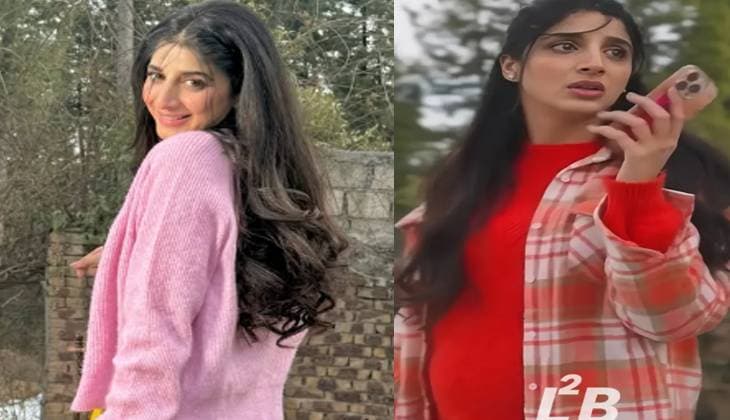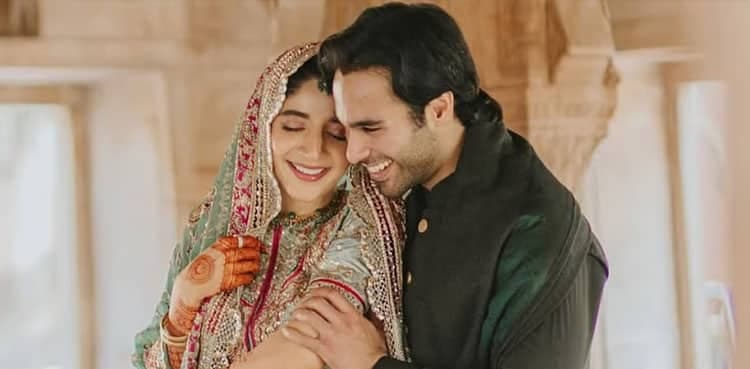
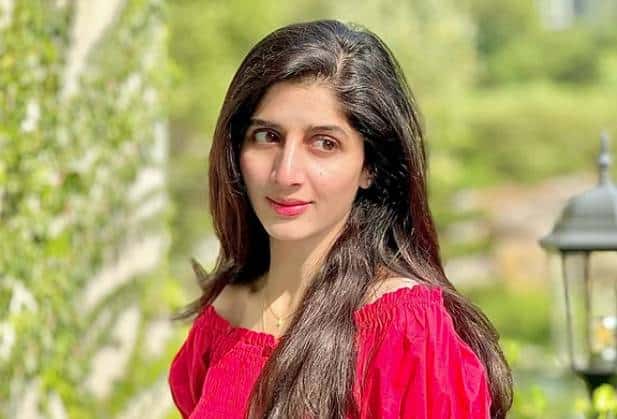
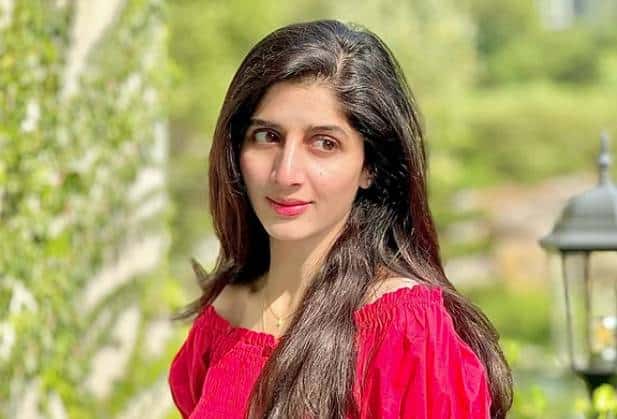

Mawra Hocane has long been known for choosing roles that leave a lasting impression, and Jama Taqseem is no exception. The drama not only resonated with viewers but also marked another thoughtful addition to Mawra’s body of work, one driven by depth, intention, and emotional honesty. So what made her say yes to this project?
According to Mawra, her connection with Jama Taqseem was instant, the moment the script landed in her hands, she felt pulled into its world. What she expected to be a quick late-night read turned into an all-night session as the story unfolded with quiet intensity. By dawn, she already knew the project deserved serious consideration.
However, her decision was not impulsive. While she admired the script, Mawra reached out to the team early on to discuss certain aspects of the narrative, particularly the character of Laila. Her questions weren’t about altering the storyline but about gaining clarity. She wanted to understand the emotional intent behind Laila’s journey and the perspective of the people bringing her story to life.
That clarity came during a detailed discussion with director Ali Hassan. He explained that Jama Taqseem is rooted in realism, the life of an ordinary woman shaped not by one dramatic incident, but by a series of small, meaningful moments. Laila’s story does not rely on shock value or grand twists. Instead, it reflects how everyday experiences quietly mould a person over time.
This approach deeply resonated with Mawra. She began tracing Laila’s emotional arc through these subtle moments, understanding how each interaction and experience added another layer to her character. That emotional mapping helped her fully step into Laila’s world, making the role feel authentic rather than performative. It was this honesty — both in the writing and the vision — that ultimately convinced her to commit to the project.