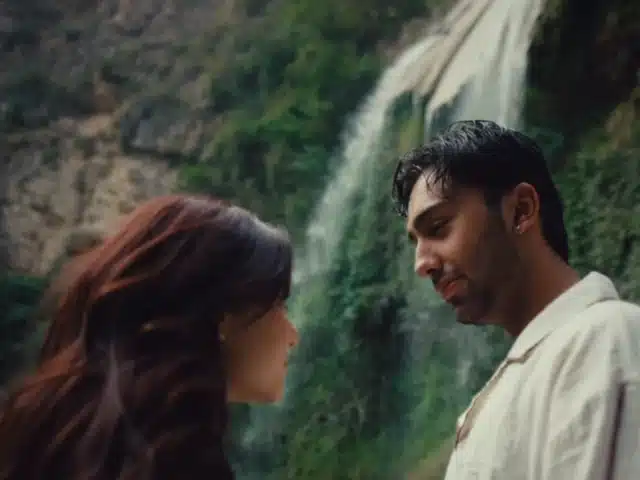
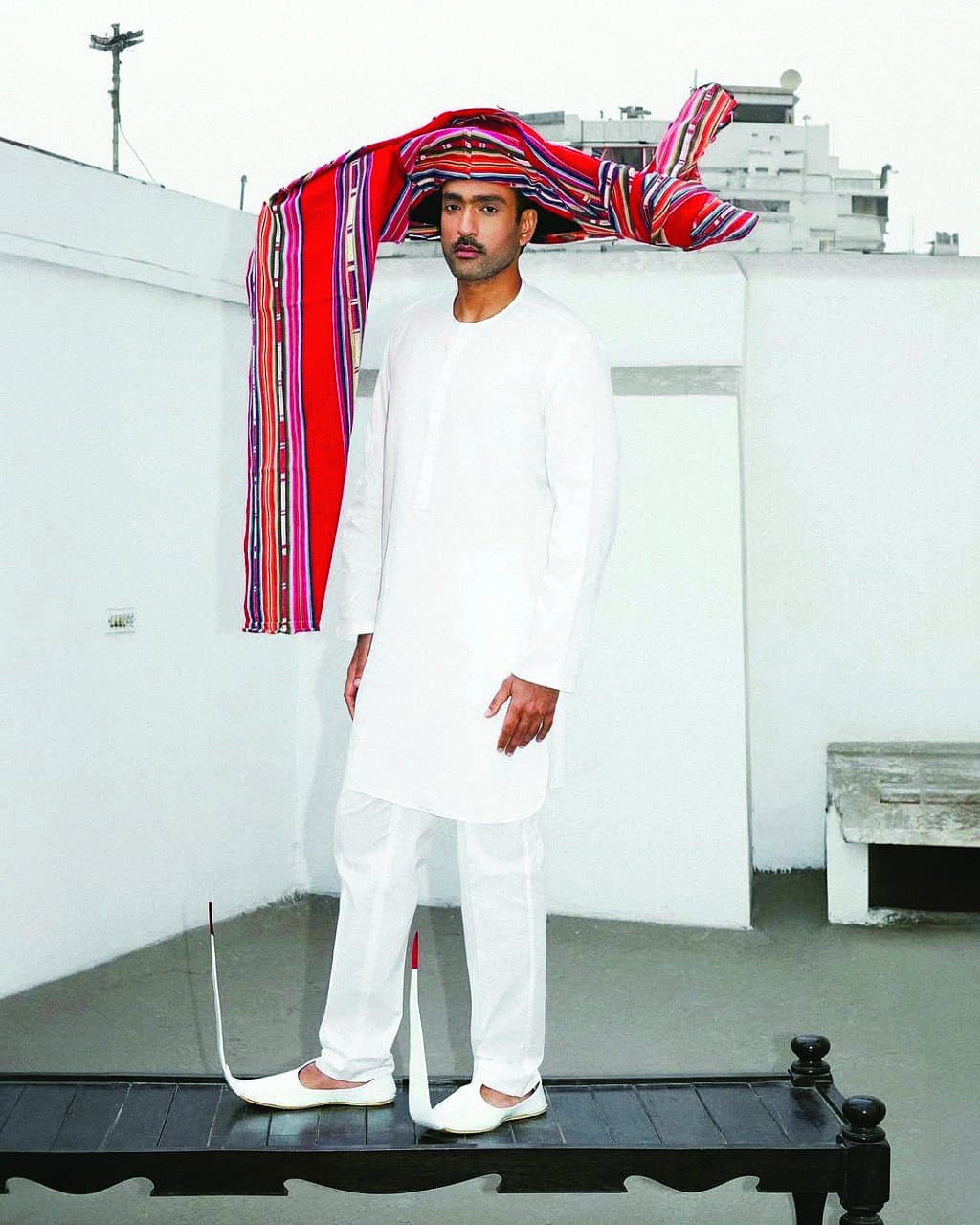

Ali Sethi kicks off the new year with a fresh wave of sound, unveiling two new singles, Tera Sitam and Maya. While Tera Sitam flows with smooth, melodic arrangements, Maya delves into deep, ghazal-inspired introspection. Both tracks reinforce Sethi’s signature blend of tradition and modernity.
Building on the surprise of his late 2024 release Lovely Bukhaar, Sethi continues to push artistic boundaries. He recently sat down with Rolling Stone India to discuss his creative evolution and ambitions for the year ahead.
"I wanted to release something strange, wild, and unexpected," he reflected. "I guess I wanted to challenge myself and not set any expectations." Comparing his latest releases, he noted, "Lovely Bukhaar is smoky and unpredictable, while Tera Sitam is smooth and structured, but both express the intensity of one-sided love."
Sethi first conceived Tera Sitam two years ago during a Los Angeles studio session with producer Romil Hemnani, formerly of Brockhampton. "The melody always comes to me first. In this case, the whole thing—verse, chorus—arrived fully formed. But I had to think long and hard about the lyrics."
To refine the song’s poetic depth, he collaborated with Urdu poet Sunayana Kachroo. "She brought a distinct shehri Urdu touch, steeped in ancient themes of exile and separation," he said. The response, he added, has been overwhelmingly positive. "I’m glad the song is out—the reactions have been intense and amazing."
‘Mehfil’ Over Mainstream
Beyond his latest releases, Sethi recently earned a Juno nomination for Love Like That, his collaboration with Indian singer Jonita Gandhi. "That song is marvelous. Jonita is such a star, and I’m so proud of her for pushing the envelope both musically and visually. She deserves the Juno and much more."
As for his upcoming body of work, Sethi confirms an album is in the making. "It’s an album—though I feel a bit distant from that word," he mused. "I see it more as a mehfil or daastaan—a collection of songs in the South Asian tradition." He envisions the project as an immersive experience, reminiscent of the musical gatherings he grew up attending in Lahore. "I want listeners to feel like they’re in the presence of a moody, maverick musician for an hour—just like a qawwali or ghazal recital. One moment, the music is slow and sultry; the next, it’s a full-blown rave—a mix of mischief and melancholy."