
Music
Annie Khalid’s Hit ‘Mahiya’ Remixed by Indian Producer
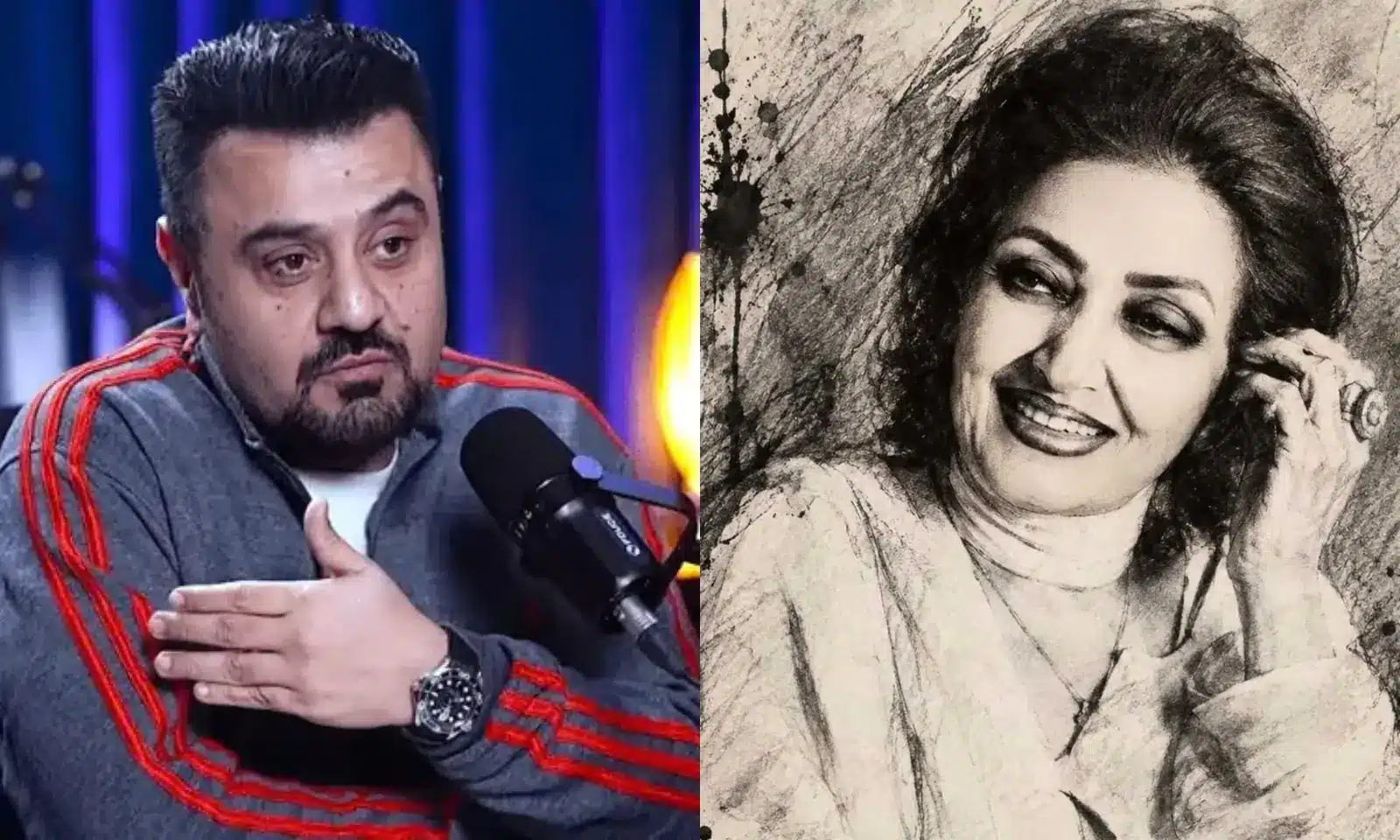
Indian music producer Yashraj Mukhate went viral by remixing Annie Khalid’s iconic 2006 pop hit Mahiya, blending it with a humorous clip of a South Asian man expressing his dislike for relatives.
Known for turning viral dialogues into catchy tunes, Mukhate paired the man’s blunt response with playful lyrics like: “Meri bua ki bhabi ke beti ki shaadi mein kyun jaon, mahiya, ke hoon mein pareshaan, mahiya.” The video quickly gained over 12 million views on Instagram.
Pakistani celebrities including Mawra Hocane and Zoya Nasir praised the remix, and Annie Khalid herself responded with laughter and enthusiasm. Mukhate, calling her “The OG,” celebrated the interaction. Khalid’s Mahiya was a breakthrough hit that defined mid-2000s Pakistani pop and opened doors for women in the industry.
Who is Annie Khalid
Annie Khalid was born to a Kashmiri father and a Yemeni mother in Lahore on 27 March 1987. When she was just six months old, her family moved from Pakistan to the United Kingdom, first settling in East London and later relocating to Essex.

Annie Khalid launched her music career with the single “Mahiya,” which became a massive hit in Pakistan after its 2005 release. Indian filmmakers later featured the song in the film Awarapan.
On 25 November 2010, she released her UK debut single “Be My Baby,” accompanied by a remix from British DJ Judge Jules. After meeting the English–Norwegian boy band A1 at a charity event, Khalid collaborated with them on the single “Just 3 Words” and joined their tour, performing across Norway and the UK. In 2011, the Pakistan Media Awards nominated her for Best Female Singer.
In September 2013, Khalid teamed up with Beenie Man to release the single “Boom Boom Danze.”
Also Read: Annie Khalid – Tharki Saala (Music Video)
Music
Abdullah Siddiqui reveals his upcoming album, titled ‘Bad Music’
Musician and producer Abdullah Siddiqui has confirmed the release of his fifth studio album, Bad Music, scheduled to arrive on January 16, 2026.
The announcement came through a candid Instagram note, where Siddiqui framed the record as a product of prolonged emotional reckoning.
He described the album as being written under the weight of unresolved trauma and its lingering psychological aftermath.
According to Siddiqui, the material emerged during a period when he lacked the language to understand what he was experiencing.
Some songs were written immediately after the emotional rupture, while others surfaced later in a more hardened mental state.
He explained that time transformed the shock into something darker, sharper, and noticeably more jaded in tone.
Rather than recreating devastation itself, Bad Music documents the uneasy process of purging pain before it fully settles. Siddiqui characterised the album as dark without being theatrical, intentionally avoiding melodrama or sonic excess.
He described the work as capturing what he called an underbaked catharsis, where meaning is forced too early. In retrospect, Siddiqui acknowledged that the creative process itself became harmful during his most fragile moments.
“I mined my pain violently when I was at my most fragile.” He explained that what initially felt like emotional processing gradually shifted into something closer to self-punishment.
The album explores anxiety, distorted relationships, inherited emotional behaviours, and ritualised coping mechanisms developed over time.
It also interrogates the unsettling intimacy of surviving experiences that the mind cannot fully recall or articulate.
Throughout the record, Siddiqui balances sincerity with discomfort, blending darkness, humour, and sharp self-awareness.
He stressed that the discomfort was intentional, designed to mirror the unresolved state in which the songs were created.
Eventually, he said, he was forced to confront the reality that writing was no longer healing him.
Siddiqui concluded: “I wasn’t processing anymore. I was self-flagellating.”
That realisation ultimately gave the album its blunt and self-critical title, which he announced without embellishment.
He wrote: “So, my fifth album is called Bad Music.”
Music
Shafqat Amanat Ali Khan drops “Pehli Mohabbat”
Celebrated vocalist Shafqat Amanat Ali Khan, heir to the legendary Patiala Gharana tradition and the voice behind timeless classics like “Yeh Honsla” and “Dastaan,” has unveiled his latest musical creation. On Thursday, he released a profoundly personal new single titled “Pehli Mohabbat.”
Demonstrating his comprehensive artistry, Khan is not only the voice behind the poignant melody but also served as the sole composer, arranger, and music producer for the track, ensuring every note bears his distinctive imprint.
The song is brought to life by a captivating music video featuring the acclaimed actress Resham, whose expressive presence adds a layer of visual narrative and grace to the project. The video’s artistic direction was helmed by Jalal Ahmed, who translates the song’s emotional core into compelling imagery.
Officially released on the international music platform Sufi Score, “Pehli Mohabbat” is now available to a global audience and is quickly garnering attention from connoisseurs of refined music, marking a significant and eagerly awaited addition to Khan’s esteemed repertoire.
Read more: Shafqat Amanat Ali Draws Criticism for Romantic Role in ‘Pehli Si Mohabbat’ Video
Music
Ali Zafar Drops ‘Roshni’ After 15-Year Wait
-
Entertainment1 month agoPakistan Idol Contestant M Ibrar Shahid Quits the Show: Here’s What Happened
-
Entertainment1 month agoNida Yasir Under Fire After Delivery Riders Ask for Public Apology
-
Celebrities2 months agoFarhan Saeed Dreams of Working With Atif Aslam
-
Celebrities1 month agoMahira Khan addresses online backlash over viral Neelofar clip
-
Music2 months agoAli Zafar Unveils ‘Zalim Nazron Se’, His First Album Track in 15 Years