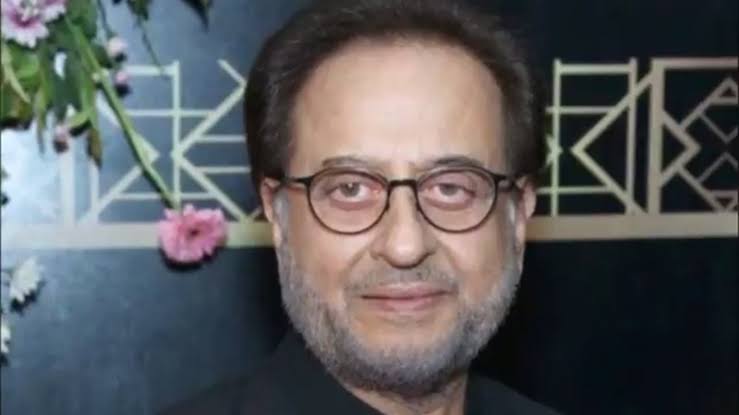
Nadeem Baig, a name synonymous with grace and timeless artistry, remains a towering figure in Pakistan’s film and television industry; with classics like Dillagi, Aina, Bulandi, and Mukhra to his credit, he has spent decades shaping the golden era of cinema. At 84, the veteran star continues to share wisdom, not just as a performer but also as a witness to the evolution and decline of Pakistan’s film culture.
In conversation with journalist Ambreen Fatima, Nadeem Baig reflected on why modern Pakistani films often resemble extended television dramas. According to him, the primary reason lies in the changing pool of storytellers. “Many of today’s filmmakers come directly from television,” he noted. “It shows in their style of direction, pacing, and even dialogue. The big-screen essence gets overshadowed by small-screen habits.”
The actor lamented the disappearance of dedicated film culture, like; cinemas closing, iconic studios vanishing, and with them, the larger-than-life magic that defined Pakistani movies of the past. He recalled a time when studios buzzed with energy, where talent had space to thrive, and audiences found affordable joy in cinema halls. But as economic realities changed, ticket prices rising and studios converting into commercial plots, the very heartbeat of the industry weakened.