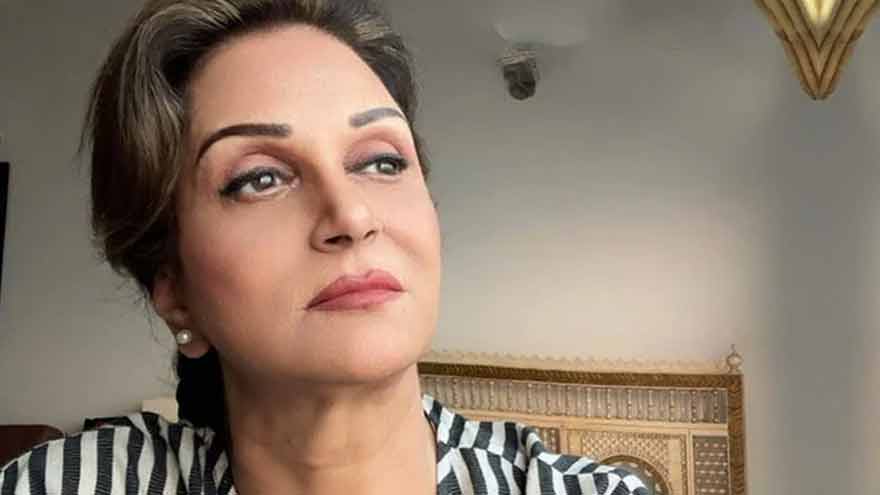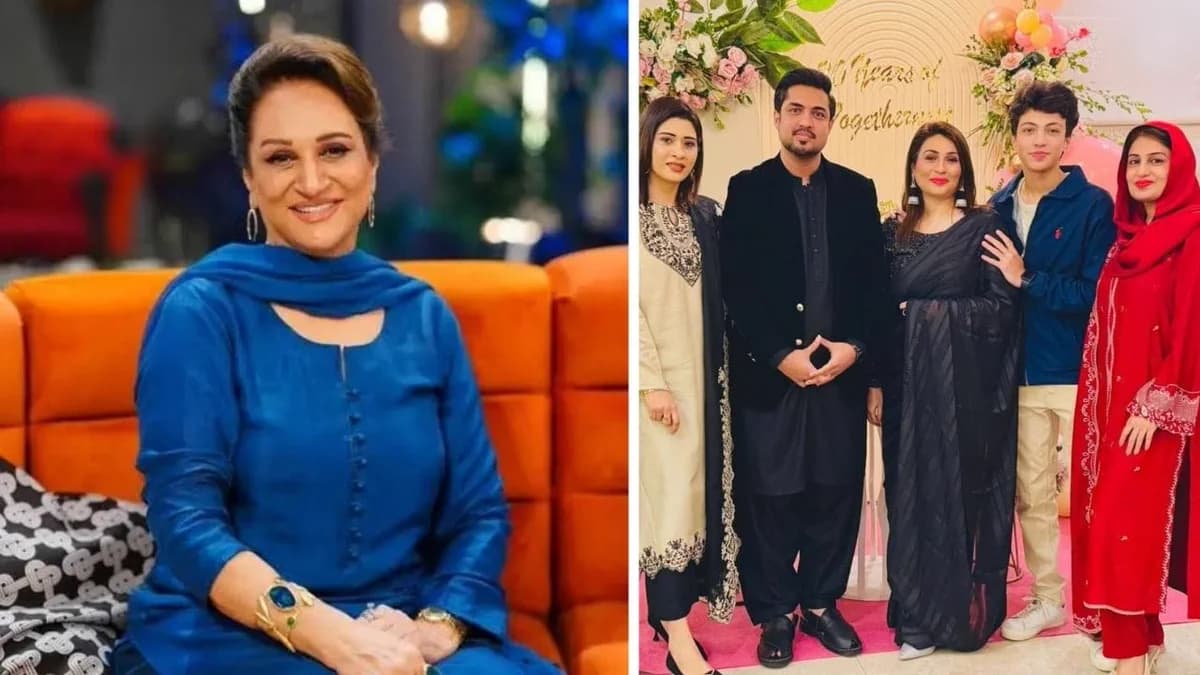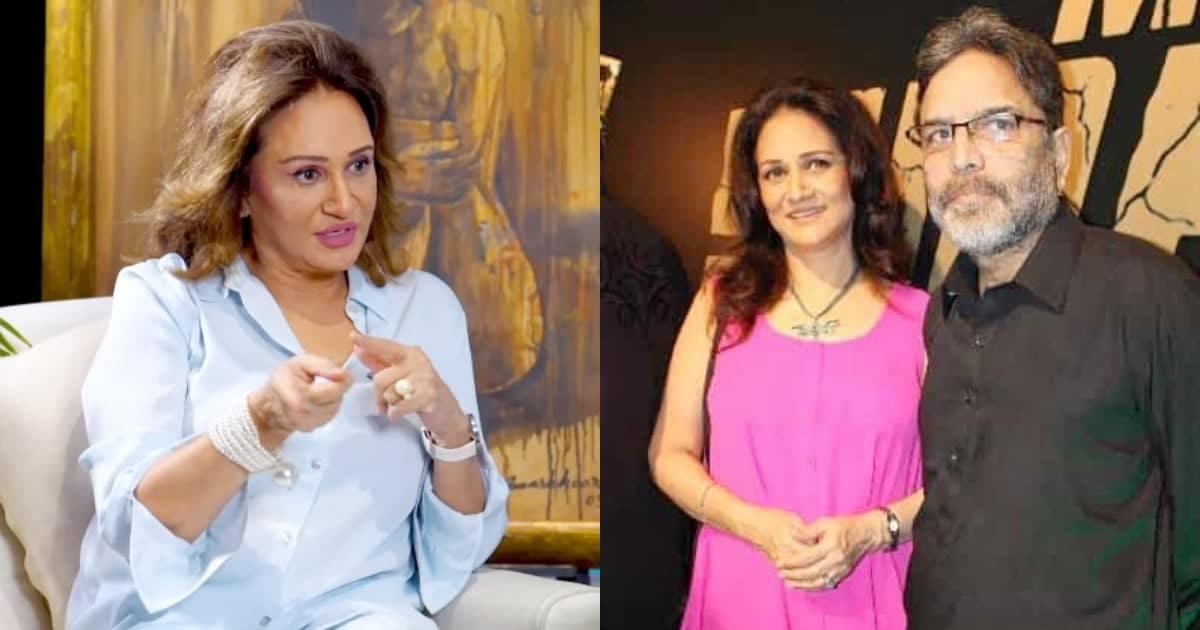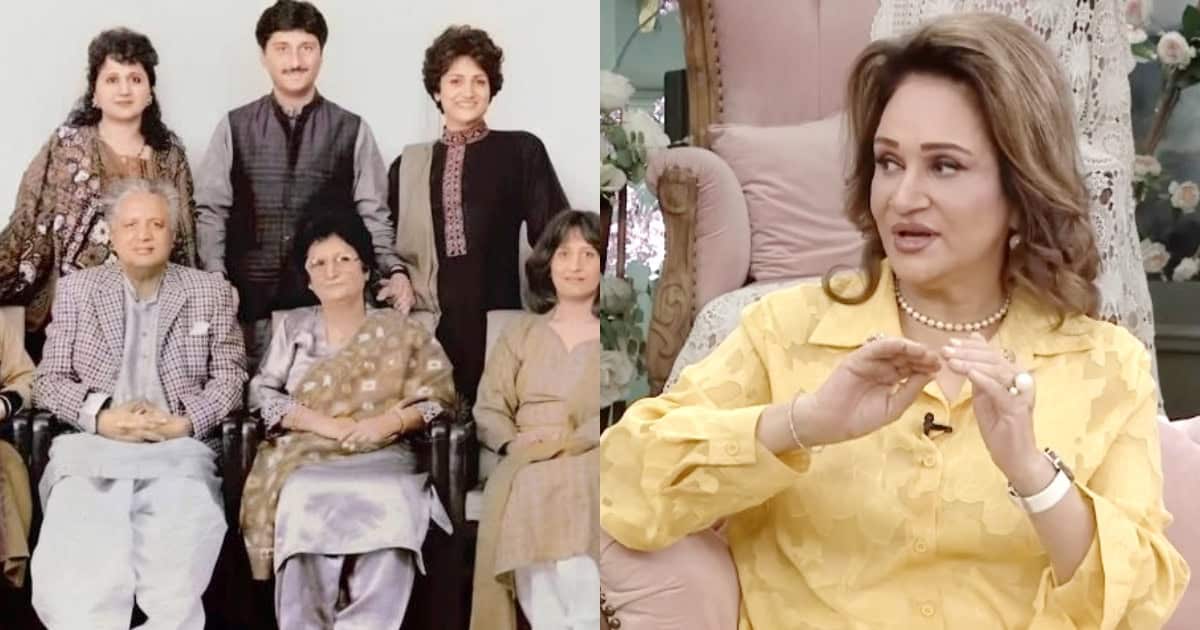
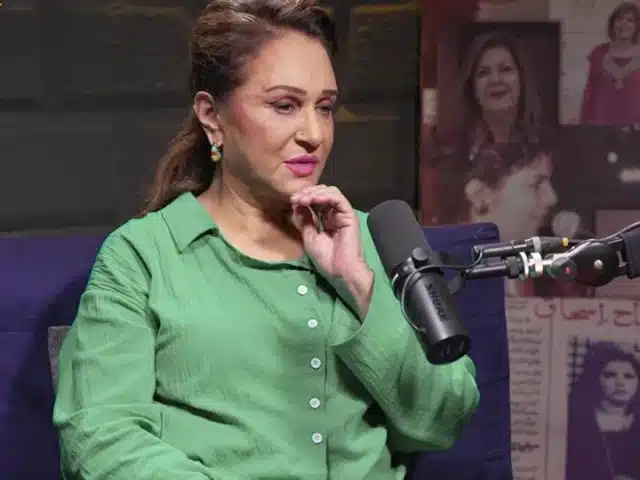
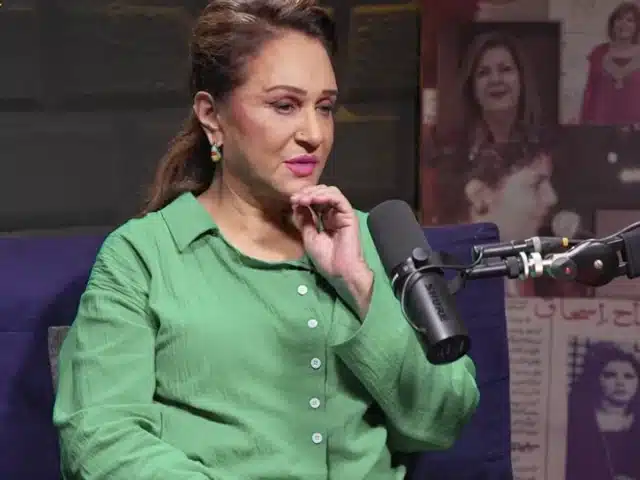

For actor Bushra Ansari, the biggest flaw in today's television is not merely what appears on screen, but what is conspicuously absent: the real social and economic struggles of ordinary Pakistanis.
With decades in the industry, the veteran actor, singer and writer said she has little desire to revisit the tired loop of domestic squabbles and saas-bahu tropes. In an interview, she expressed a wish to see TV pose difficult questions, probe the origins of societal ills and offer audiences food for thought.
“I haven’t been writing for four years,” Bushra said, explaining that most current productions fail to engage her.
Her passion, she clarified, remains with issue-driven narratives. For Bushra, merely showcasing poverty, abuse, failing schools, dangerous roads or broken institutions is insufficient; a story must investigate why these conditions persist. “There should be root causes,” she insisted.
Recalling the television she grew up with and later joined, Bushra remembered an era when entertainment was deeply tied to literature and lived experience. “We didn’t have the idea of a heroine in our heads,” she said. “We wanted good characters,” she added.
Her generation, she noted, was shaped by a broader cultural landscape. “We used to watch films such as Gone with the Wind, read Wuthering Heights and follow Indian cinema. Literature, theatre, music and daily life all fed into what we made for TV,” she said.
Bushra added, “We used to do realistic, reality-based work.”
She cited Alif Noon as one example of a production that remains memorable decades later. She viewed that kind of storytelling as a vital function of television: to entertain while also prompting viewers to observe, question and learn.