

After years of courtroom battles and public scrutiny, singer-actor Ali Zafar has emerged victorious in a defamation case that traces back nearly a decade. The case, rooted in allegations made by fellow artist Meesha Shafi, has once again reignited conversations around harassment, accountability, and the power of public narrative in Pakistan’s entertainment industry.
The controversy first surfaced when Meesha Shafi took to social media, then Twitter, now known as X, to accuse Ali Zafar of harassment during a professional collaboration. Her statement came at the height of the global Me Too Movement, lending the case both visibility and gravity. What followed was a prolonged legal tussle that kept both names in headlines for years.
In a recent development, the court ruled in favor of Ali Zafar, concluding the defamation case with a directive for Meesha Shafi to pay PKR 5 million in damages. Supporters of Zafar have hailed the verdict as vindication, while critics argue it does little to settle the broader conversation around harassment allegations in the country.
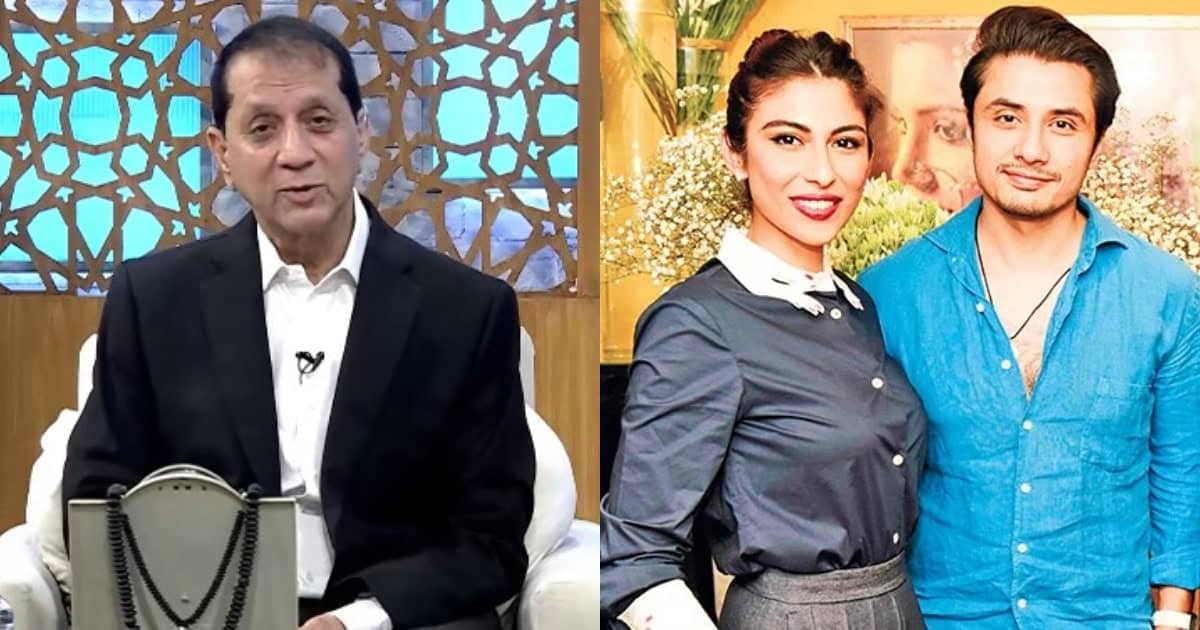
However, just as the dust seemed to settle, a new controversy emerged—this time from religious scholar and digital personality Dr Bilal Qutb. Speaking on his platform, Qutb Online, Dr Qutb weighed in on the case, offering a perspective that quickly drew widespread backlash.