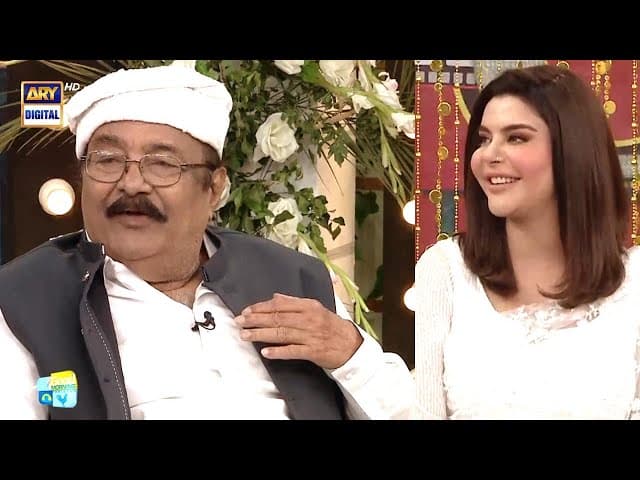
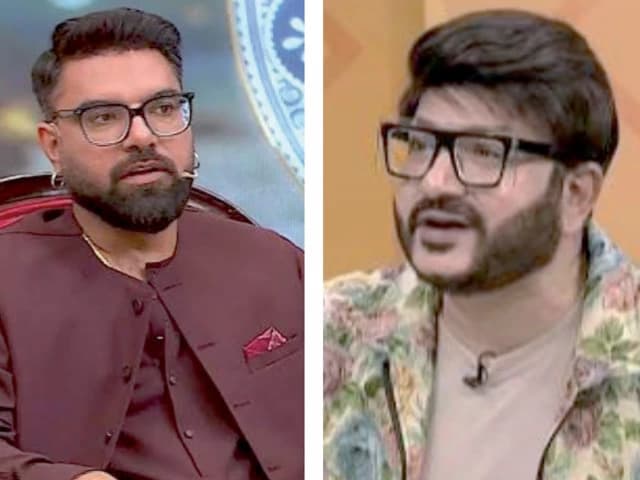
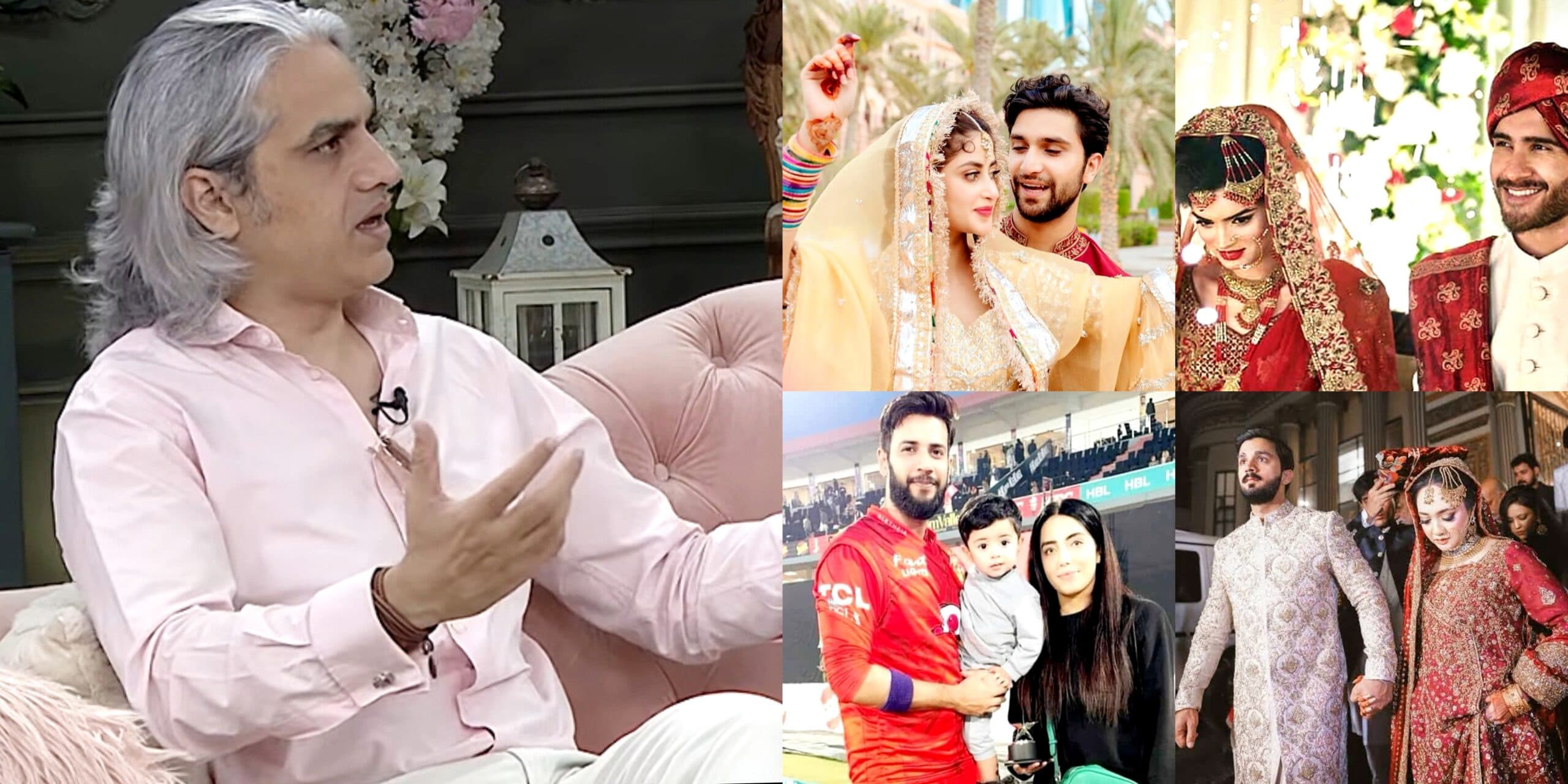
Veteran television director Kazim Pasha has offered one of his most revealing interviews yet, opening up about the untold stories behind Pakistan Television's golden years, the relentless discipline that shaped iconic dramas, and the moments that nearly convinced him to walk away from the industry forever.
Reflecting on decades spent behind the camera, Pasha revisited the challenges of directing some of Pakistan's biggest stars while navigating strict censorship, limited resources, and the immense responsibility of creating meaningful television.
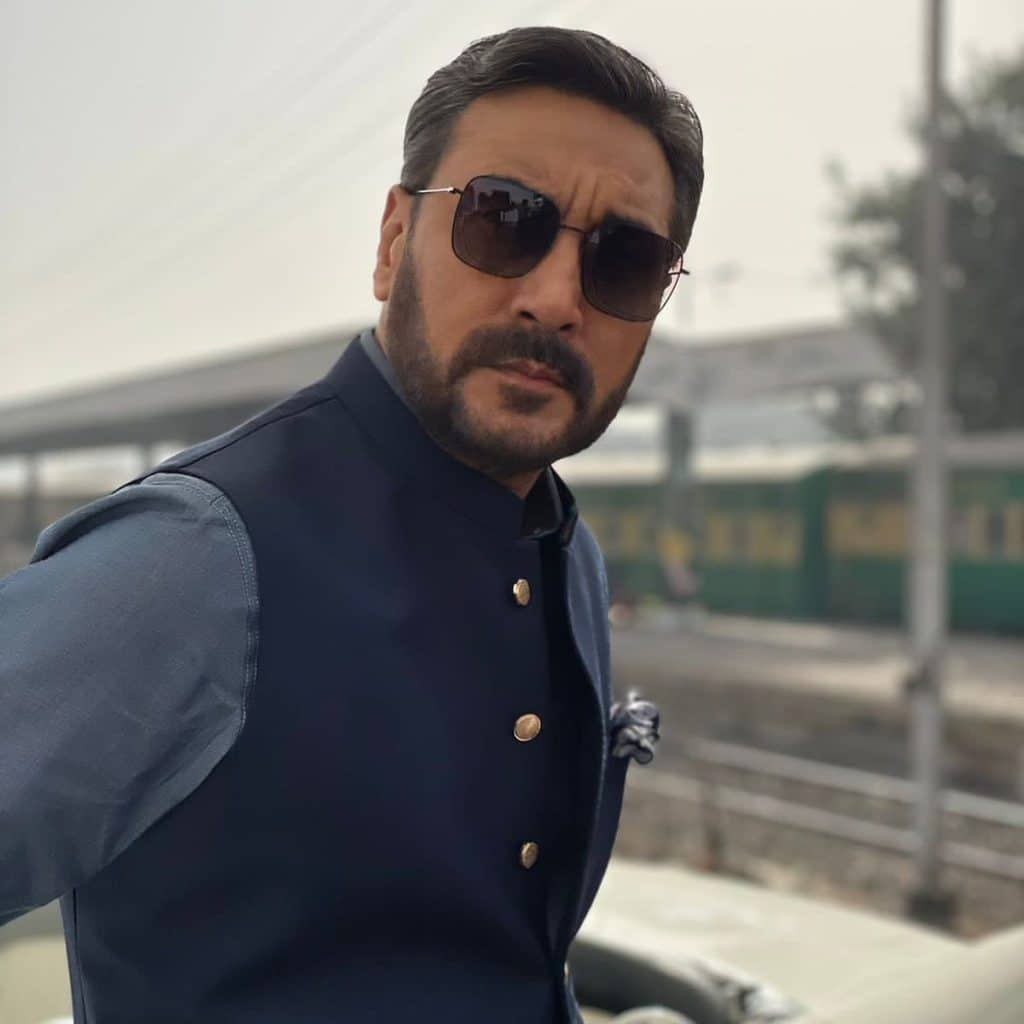
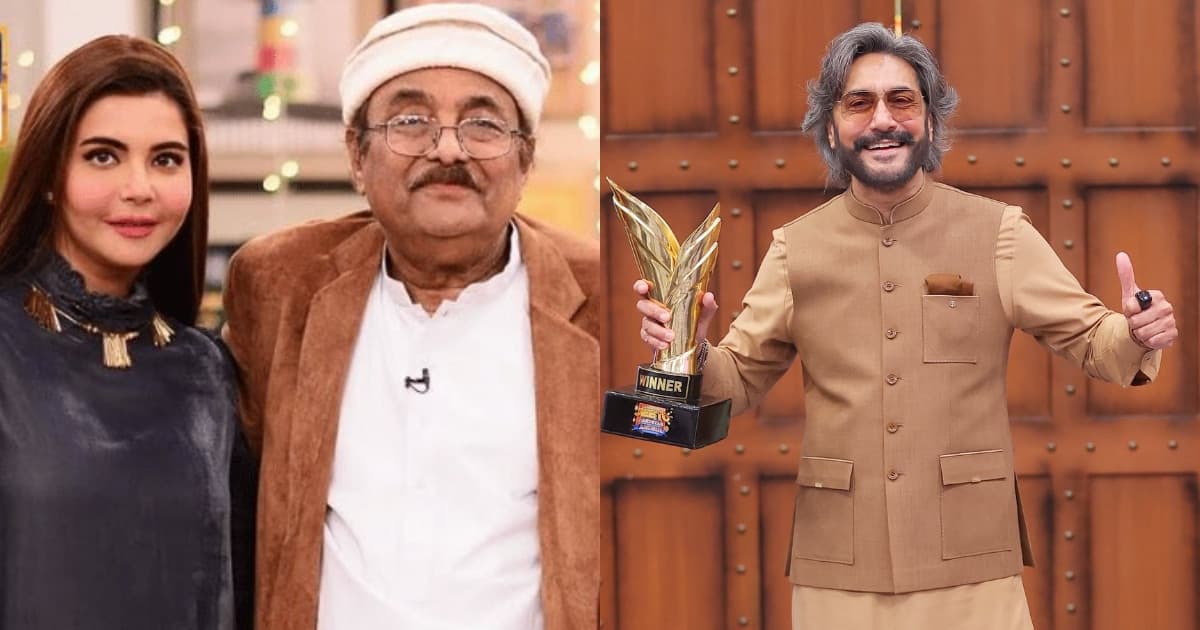
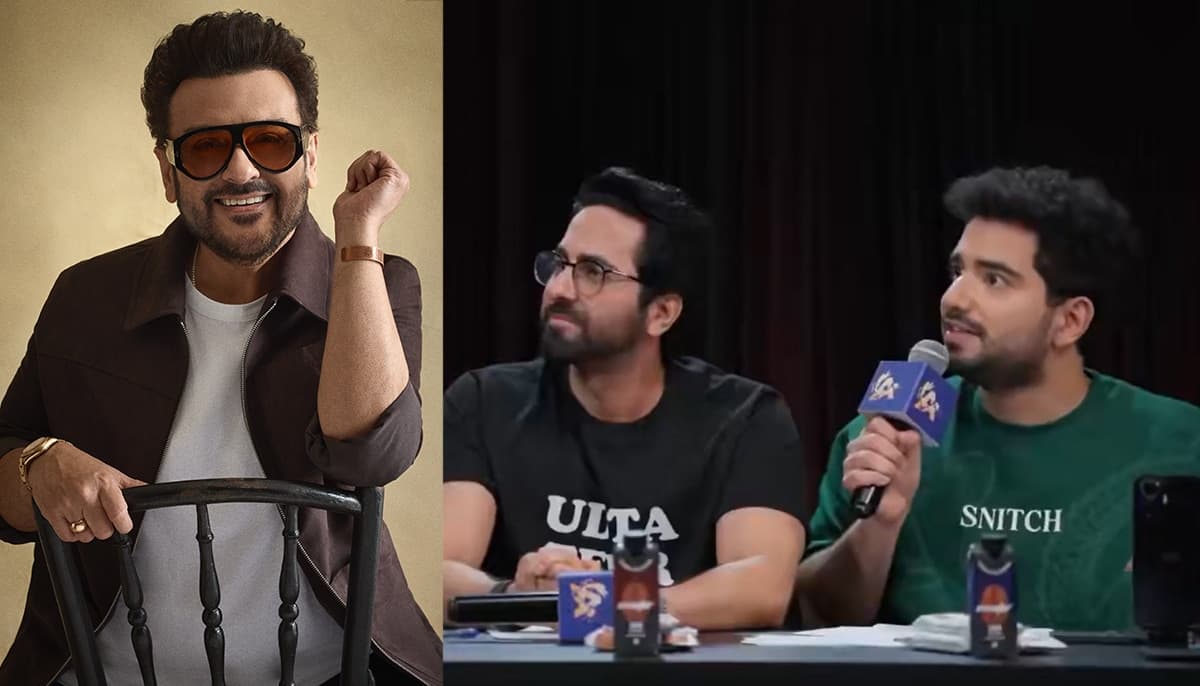
One of the interview's most surprising moments came when Pasha admitted that working with actor Adnan Siddiqui on a particular drama tested his patience to the limit.
"There was a time when I genuinely thought about quitting production," he revealed, recalling how the experience became one of the toughest chapters of his career.
According to Pasha, what began as a routine casting decision gradually turned into a production headache. He claimed that travel arrangements kept expanding, beginning with a request for an assistant's airline ticket before growing to include Siddiqui's daughters and their nanny.
The veteran director said the additional demands placed unexpected pressure on the production budget, even prompting actor Sajid Hasan to jokingly ask whether the team intended to bankrupt itself. Despite the challenges, Pasha insisted he respected Siddiqui's stature as the leading man and chose to accommodate the requests.
The difficulties, he said, didn't end there. During filming at actor Aijaz Aslam's residence, Siddiqui would occasionally halt shooting over personal preferences, including requests for meals from specific restaurants before agreeing to resume work.
Despite recalling the exhausting experience, he described Adnan Siddiqui as someone who has always shown him respect and affection, adding that the actor shares a special bond with his daughters and remains a genuinely kind-hearted individual.
The conversation also shed light on the challenges of producing television during the late 1970s and 1980s, when convincing families to allow women to pursue acting was often as difficult as making the dramas themselves. Pasha recalled personally working to reassure families that PTV offered a respectable and secure environment, helping introduce future stars such as Laila Zuberi to television audiences.
Known for demanding complete emotional commitment from his actors, Pasha also shared one of his most controversial directing techniques. During the production of a serial following the sudden passing of veteran actor Qurban Jillani, actress Sadia Imam struggled to perform an emotionally charged scene.
Believing genuine emotion could not be forced through repeated rehearsals, Pasha admitted he intentionally created an atmosphere of psychological pressure off-camera. Once Sadia became overwhelmed with real emotion, he quietly instructed the crew to begin filming, capturing what he considered the authenticity the scene required.
Throughout his career, Pasha said he applied the same uncompromising standards to every production, regardless of an actor's fame. While directing the acclaimed serial Kashkol, he convinced legendary film star Syed Kamal to embrace television, carefully balancing the expectations of a cinematic icon within PTV's disciplined production environment.
His commitment to realism extended beyond performances. Pasha recalled directing a historical project based on the PNS Ghazi submarine, a production that involved real naval coordination and underwater filming long before computer-generated visual effects became common in television.
Looking back at Pakistan's entertainment landscape, the veteran filmmaker argued that the downfall of Lollywood was largely self-inflicted. In his view, the industry's unwillingness to innovate and its dependence on repetitive storytelling allowed television dramas to become the country's dominant cultural force.
Pasha also reflected on his own unexpected journey into broadcasting. Before television became his life's work, he was employed at the State Bank of Pakistan and had initially dreamed of becoming an actor. Everything changed, however, after watching legendary director Qasim Jalali command a production set, inspiring him to pursue directing instead.
He described the old PTV system as an institution built on discipline, professionalism, and flawless language, where performers were trained with exceptional rigor. Beyond dramas, he also fondly remembered directing live Qawwali transmissions featuring Sabri Brothers legend Ghulam Farid Sabri, calling those productions some of the most spiritually rewarding experiences of his career.
Among the projects closest to his heart was the landmark drama Jangloos, which stirred national debate with its unflinching portrayal of feudal oppression and social injustice. Pasha revealed that the serial attracted immense political pressure and even faced calls for a ban in the National Assembly because of its bold themes.
Rather than confronting censorship directly, he said directors of that era learned to communicate through symbolism, layered dialogue, and carefully crafted metaphors that allowed powerful messages to reach audiences without violating official restrictions.
Despite the many obstacles he faced, Pasha spoke warmly about the people who stood beside him throughout his journey. He praised actors such as Sajid Hasan and Adnan Jilani for their ability to understand complex scripts, expressed deep gratitude to his wife for supporting the family during his demanding work schedule, and celebrated the success of his daughter, Nida Yasir, as one of Pakistan's most recognizable television personalities.
Looking back on a career spanning generations, Kazim Pasha said he has no regrets. For him, the greatest reward has never been financial success but witnessing the talent he helped nurture continue to flourish.
"I planted the seeds," he reflected. "Today they have grown into towering trees, and seeing them thrive is the greatest legacy I could ever ask for."
Read more: Nida Yasir’s Father Calls Adnan Siddiqui A Difficult Actor