Music
Bilal Saeed’s Song in ‘Jatt & Juliet 3’ Sparks Social Media Debate
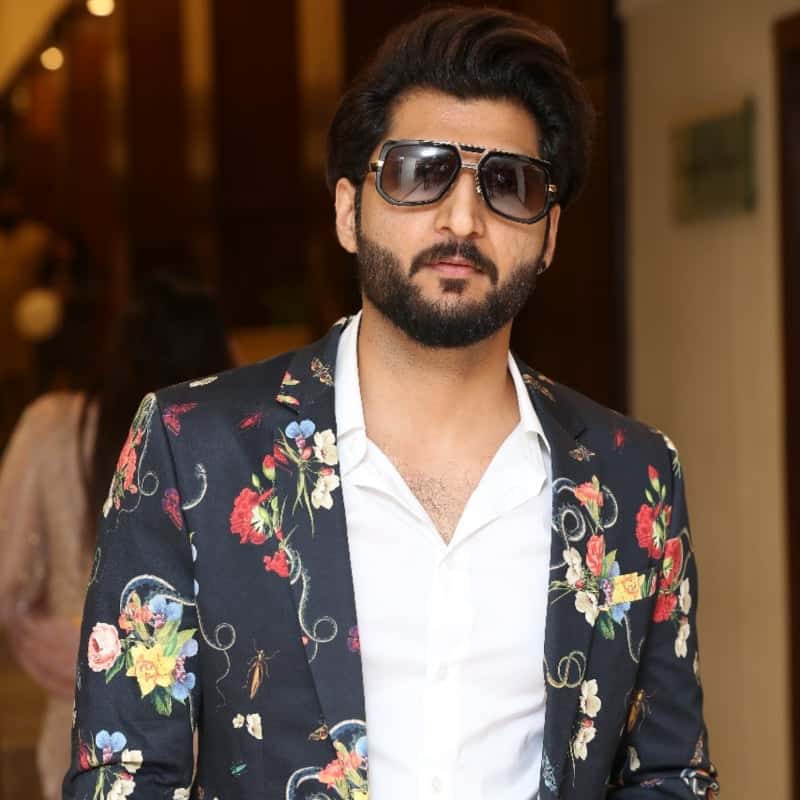
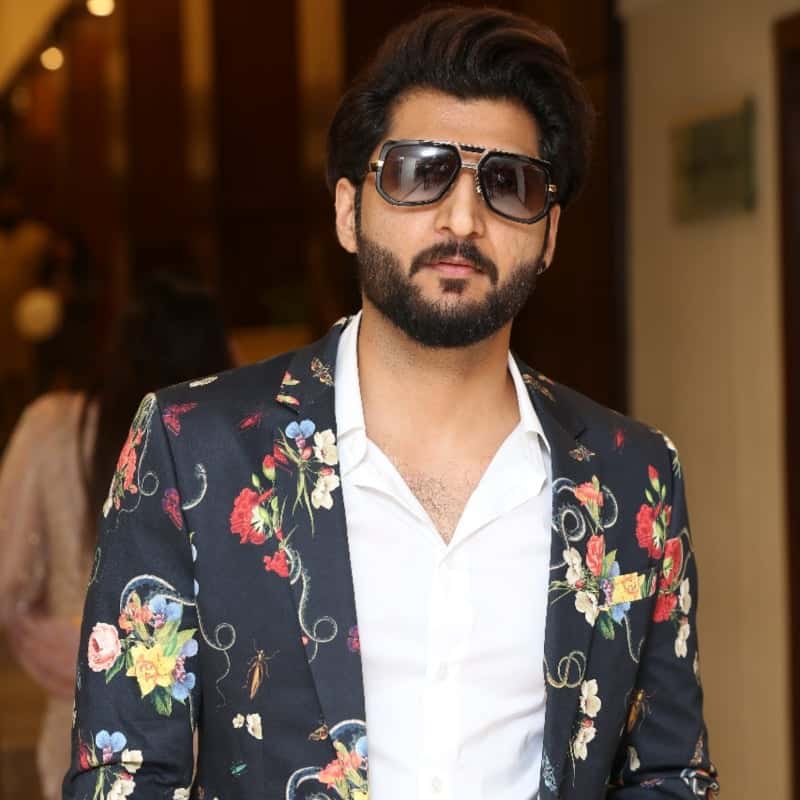
Bilal Saeed faces criticism for his recent song in Diljit Dosanjh’s upcoming film, Jatt & Juliet 3, as netizens deem the lyrics unethical and contrary to social norms.
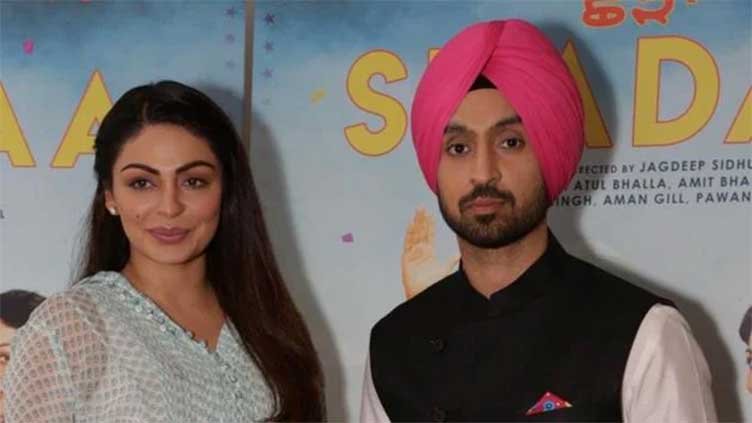
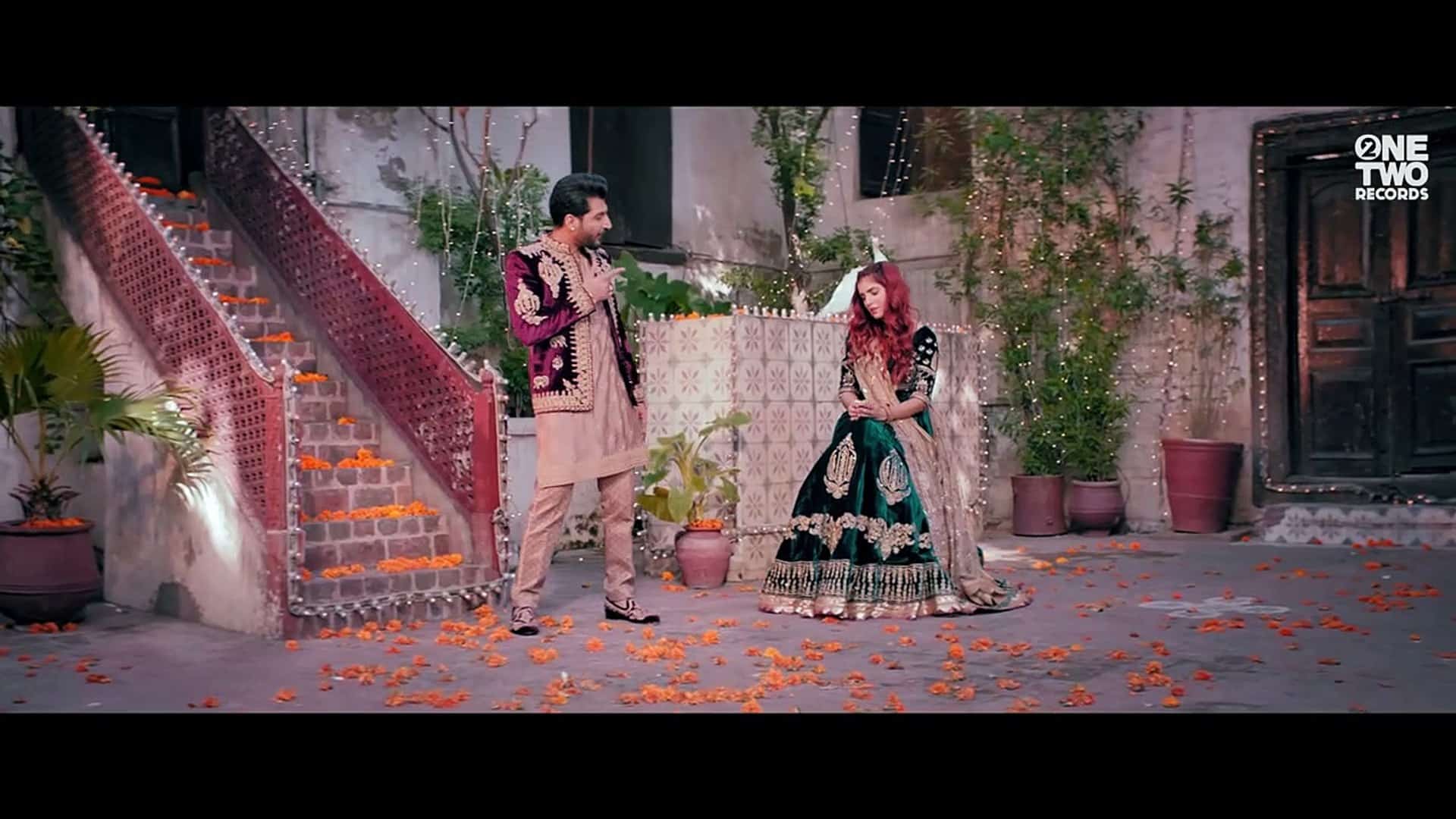
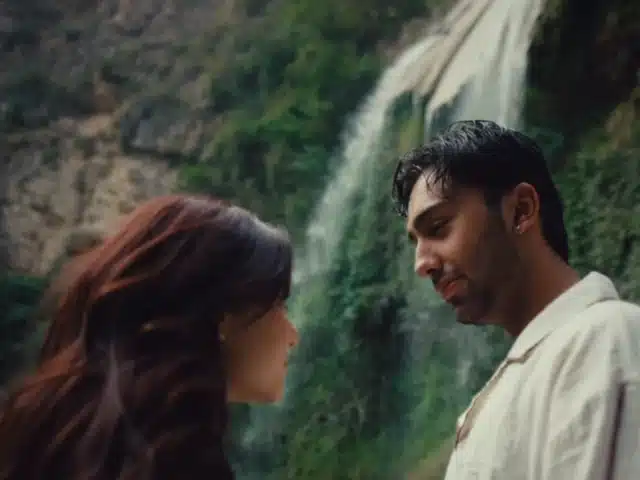
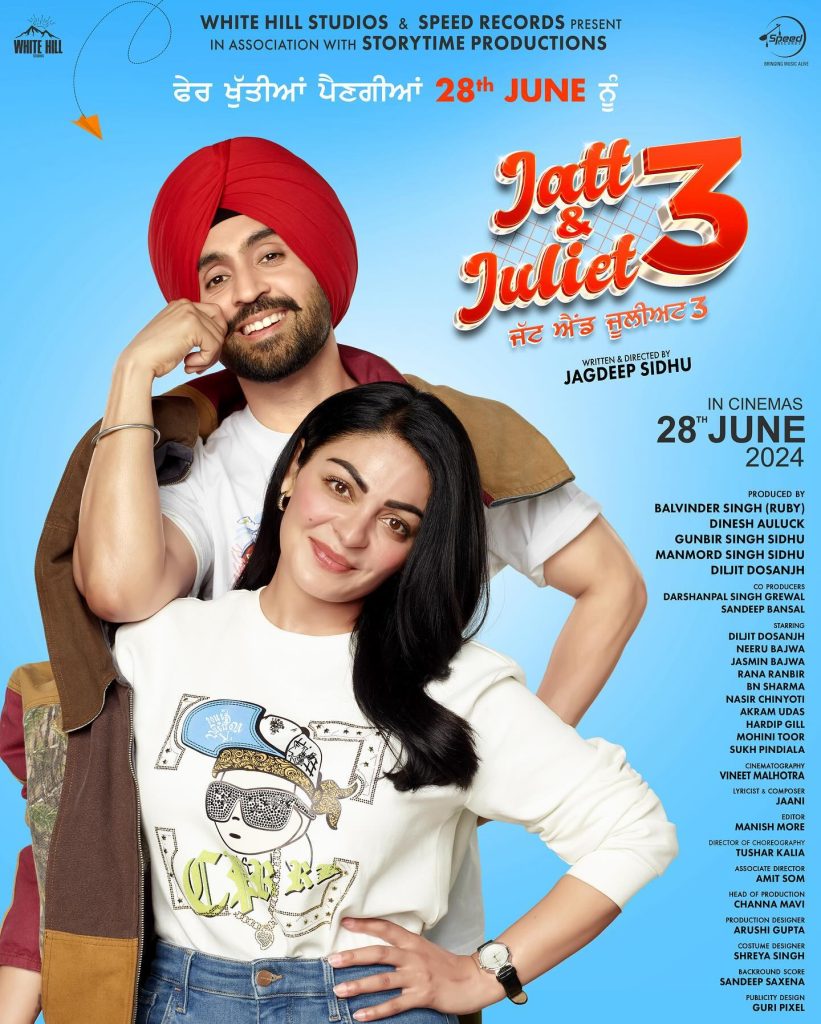
Highly anticipated, the film is set to hit cinemas on June 27, 2024. Jatt & Juliet 3 promises a captivating blend of romance and comedy, featuring Neeru Bajwa alongside Diljit. The latest song from the film, ‘Je Main Rab Hunda,’ showcases the talented Pakistani singer Bilal Saeed and features breathtaking scenery that complements the song’s sentimental tone.
The song’s release has generated significant buzz, with fans praising the melodious vocals and romantic visuals. However, some listeners have expressed outrage over the song’s lyrics, labeling them blasphemous and disrespectful. One user commented, “The lyrics are offensive and disrespectful.” Another asked, “How can they use such words in a song?”
The backlash has sparked a heated debate on social media. Some users defend the song as a work of art, while others demand an apology from the artists. Many users have called for the song to be banned due to its allegedly blasphemous lyrics, even advocating for a boycott of the singer. One said, “This song should be banned. What kind of lyrics are these?” Another stated, “Shame on you, Bilal Saeed, for singing such a song. You belong to a decent family. Now I understand why they kicked you out.”
Also Read: Why Bilal Saeed Hurled Mic at Concertgoer in Mid-Concert?

Music
“Arijit was trying to sound like Atif,” says Palash Sen on Atif’s influence
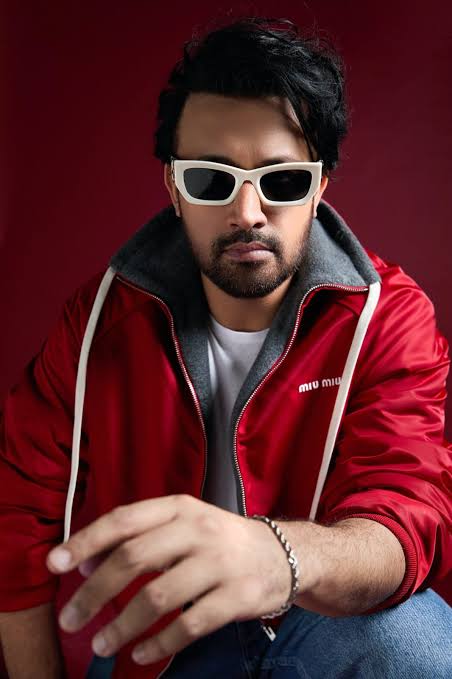
Indian singer Palash Sen has praised the lasting influence of Pakistani star Atif Aslam on the Indian music industry, saying that the singer’s unique voice and style inspired a generation of male vocalists, including Arijit Singh during the early phase of his career.
Speaking during a recent interview with an Indian television channel, Sen said that many singers who came after Atif tried to follow his style of singing.
“If you look closely, almost every singer who came after Atif tried to sing like him. Even the biggest singer in our country today, Arijit Singh—if you listen to his earlier songs, he was also trying to sound like Atif. Later, he developed a style of his own,” Sen said.
Sen explained that this type of influence often appears in the music industry whenever a powerful voice changes the direction of popular singing.
“In the same way, there was a time when singers like Kumar Sanu and Abhijeet were influenced by legends like Mohammed Rafi and Kishore Kumar. Influential singers always have a strong impact, and many people try to become like them. Their influence is very powerful,” he added.
Atif Aslam remains one of the most successful singers to emerge from Pakistan and gain massive popularity in India and across South Asia.
He first rose to fame in the early 2000s with the song “Aadat”, composed with the band Jal, which quickly became a mega hit among young listeners.
His career in Bollywood grew rapidly after he lent his voice to several popular songs. Some of his most well known tracks include “Tera Hone Laga Hoon” from Ajab Prem Ki Ghazab Kahani, “Pehli Nazar Mein” from Race, “Tu Jaane Na” from Ajab Prem Ki Ghazab Kahani, “Jeene Laga Hoon” from Ramaiya Vastavaiya, and “Dil Diyan Gallan” from Tiger Zinda Hai.
Read more: Saife Hassan On Atif Aslam’s Demand During Sang E Mah Shooting
Music
Goher Mumtaz drops ‘Har Saal’ with Aima Baig
Goher Mumtaz has returned to the music scene with a relaxed new single titled ‘Har Saal’, featuring singer Aima Baig in a first-time standalone collaboration.
The song marks a notable moment for Mumtaz, as it also brings his band Jal into the project. Written and composed by Mumtaz himself, ‘Har Saal’ carries a breezy, pop-driven sound that prioritises chemistry over grandeur.
The announcement was understated yet effective, with Mumtaz sharing a simple Instagram caption that read: “Aima Baig x Goher Mumtaz x JAL.”
The accompanying music video, produced under Goher Mumtaz Productions, avoids spectacle and instead focuses on intimacy and creative ease.
It opens with Mumtaz seated at a keyboard, experimenting with a tune that he soon abandons in visible mild frustration.
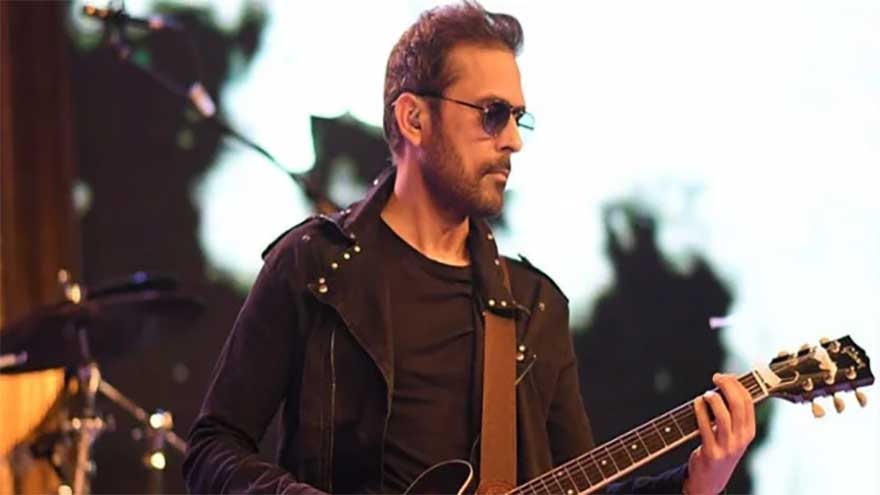
He then switches to his guitar, a familiar space for the Jal frontman, signalling a return to comfort and creative flow. At that precise moment, Aima Baig enters the frame, mid orange juice pour, effortlessly joining the melody with approval.
From there, the video unfolds into a series of warm exchanges, showing the two artists singing and jamming together naturally. Two weeks before the official release, the duo offered fans a glimpse into the project through a short teaser trailer.
Mumtaz rose to fame in the early 2000s as the guitarist and vocalist of the iconic band Jal, known for hits like “Aadat” and “Sajni.” Following the band’s split, he launched a successful solo career with albums such as Uraanand popular singles including “Chup,” while also establishing himself as a music composer and producer for television and film.
Read more: What Atif Aslam and Goher Mumtaz’s First Auditions Were Really Like
Music
Zayn Malik has revealed the title of his upcoming fifth album: ‘KONNAKOL’
Zayn Malik has officially announced his fifth studio album, KONNAKOL, marking a powerful return ten years after his solo debut reshaped global pop and R&B.
The former One Direction star confirmed the project following a seven-night Las Vegas residency at Dolby Live at Park MGM.
Between January 20 and 31, Zayn treated fans to five previously unheard tracks, offering an intimate first look at his next musical chapter. While the full album arrives later this year, lead track ‘Die for Me’ drops this Friday, building early momentum around the release.
KONNAKOL is scheduled to launch on April 17 through Republic Records, and the album is now available for pre-order. In a statement accompanying the announcement, Zayn said: “It’s that time again, I have been lucky enough to make a fifth studio album.”
The singer also revealed the record signals a return to the R&B-led sound that defined his early solo success.
At the same time, KONNAKOL introduces South Asian musical influences, reflecting Zayn’s heritage and personal creative evolution. For British South Asian fans, the shift feels especially meaningful, blending contemporary R&B with cultural elements rarely centred in mainstream Western pop.
Renowned photographer Nabil Elderkin shot artwork for the album. It features Zayn’s blurred face alongside a snow leopard, a symbol closely associated with South Asia.
The striking imagery appeared throughout his Las Vegas shows, offering audiences an early visual reference to the new era.
During the residency, Zayn spoke candidly to fans about returning to the studio.
He told the crowd, “I’ve been in the studio a little bit. I got a new record coming for you guys pretty soon.” He added, “I’m really excited about that. I’ll be playing some songs tonight for the first time. For you guys.”
Across the dates, Zayn premiered ‘Used to the Blues’, ‘Fatal’, ‘Die for Me’, and two untitled tracks. One standout moment came with ‘Fatal’, which features Urdu lyrics.
It marks the first time Zayn has incorporated his native language beyond brief phrases, signalling a deeper embrace of his roots. For many South Asian listeners, the move represents a long-awaited moment of cultural visibility from one of pop’s biggest global stars.
Zayn has described KONNAKOL as a continuation of Mind of Mine, his debut solo album, which debuted at number one in the United States.
Read more: Zayn Malik reveals details on his first-ever solo residency in Las Vegas
-
Entertainment1 month agoIs Laiba Khan’s Husband Already Married? Shocking Claims Are Surfacing Online
-
Music2 months agoShae Gill Featured as Spotify’s Latest RADAR Pakistan Artist
-
Gossips2 months agoAre Dananeer and Ahad Dating? A Hidden Tag Allegedly Reveals the Story
-
Entertainment1 month agoNadia Khan Jokes About Behroze Sabzwari’s Views on Tight Clothes
-
Celebrities1 month agoHow Faith Helped Mehwish Hayat Survive Tough Times